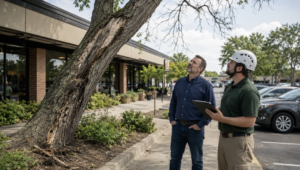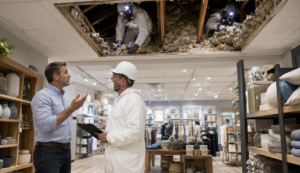
Retail store owners spend a tremendous amount of time thinking about displays, inventory, foot traffic, lighting, signage, staffing, customer service, and sales. Every detail matters because retail is a business built around experience. Customers notice when a store feels clean, comfortable, organized, and professional. They also notice when something feels off, even if they cannot immediately explain why. One of the most overlooked factors behind that customer experience is sitting above the ceiling: old attic insulation.
For many retail spaces, attic insulation is not something that gets reviewed unless there is a major problem. It may have been installed years ago, ignored through multiple tenants, exposed to pests, affected by moisture, compressed by time, or damaged during previous construction work. When insulation gets old, contaminated, wet, or ineffective, it can quietly impact energy costs, indoor comfort, air quality, odor, and even the way customers feel while shopping.
In a retail environment where every sale matters, ignoring old attic insulation can become an expensive mistake. The store may look good on the outside, but the building itself may be working against the business every hour the lights are on and the doors are open.
The Retail Store Experience Starts With Comfort
Retail has always been about more than simply selling products. According to Wikipedia’s overview of retail, retail businesses connect goods and services directly to consumers, which means the physical shopping environment plays a major role in how customers interact with a brand. A store that is too hot, too cold, stuffy, drafty, or uncomfortable can shorten shopping time and reduce the chances of a customer browsing, engaging, and buying.
Old attic insulation can make it harder to maintain a consistent indoor temperature. In warm months, heat trapped in the attic can radiate downward into the sales floor. In cold months, poorly performing insulation can allow conditioned air to escape too quickly. This forces the HVAC system to work harder to keep the store comfortable.
For retail stores, comfort is not just a facilities issue. It is a customer retention issue. A shopper who feels uncomfortable is less likely to stay long, try on products, compare options, or enjoy the experience. Employees also feel the difference. A staff that works all day in an inconsistent indoor environment may become less productive, less energetic, and less focused on customer service.
Old Insulation Can Increase Operating Costs
Retailers already face enough pressure from rising labor costs, inventory expenses, rent, utilities, marketing, and competition. Industry coverage from the National Retail Federation continues to show how retail businesses are adapting to changing consumer behavior, technology, and economic pressure. In that kind of environment, wasted energy is not something store owners can afford to overlook.
When attic insulation no longer performs well, heating and cooling systems often run longer than necessary. That means higher utility bills month after month. Even a modest increase in energy use can add up quickly for a retail store because commercial spaces often operate for long hours, use bright lighting, run equipment, and need steady climate control during business hours.
Old insulation can lose effectiveness for several reasons. It may become compressed, shifted, damp, contaminated, or unevenly distributed. Gaps in coverage can create hot and cold spots throughout the building. Some areas of the store may feel fine while others feel uncomfortable, leading employees to constantly adjust the thermostat. These adjustments may provide temporary relief, but they rarely fix the real problem.
Investing in proper insulation improvement can help reduce wasted energy and support a more efficient building. For store owners who are already watching margins closely, that can make a meaningful difference over time.
Poor Attic Conditions Can Affect Indoor Air Quality
Indoor air quality matters in every commercial building, but it is especially important in retail. Customers walk in expecting a clean, pleasant environment. Employees spend long shifts inside the store. Merchandise, fabrics, displays, packaging, and stored goods can all be affected by dust, odor, and moisture.
Old attic insulation may hold dust, rodent droppings, insects, moisture, mold spores, or other contaminants. When air moves through gaps, ceiling penetrations, ductwork leaks, or poorly sealed areas, those contaminants can contribute to unpleasant odors or poor air quality below. Even if the attic is out of sight, the effects may still reach the sales floor.
The U.S. Census Bureau’s retail sales reports show how closely retail performance is tracked because consumer spending is such an important part of the economy. At the individual store level, however, small environmental problems can influence whether customers feel good enough to stay and shop. A store that smells musty, feels dusty, or seems poorly maintained can damage trust quickly.
Retail customers may not know that old attic insulation is contributing to the problem. They simply know the store does not feel as fresh, clean, or comfortable as it should. That perception can affect reviews, repeat visits, employee morale, and the overall brand image.
Moisture and Pest Problems Can Start Above the Ceiling
Old insulation often hides problems that retail owners do not see until they become serious. Moisture intrusion, roof leaks, condensation, pest activity, and attic ventilation issues can all affect insulation. Once insulation becomes wet or contaminated, it may no longer perform as intended. Worse, it can hold moisture against building materials and contribute to odors or damage.
Retail stores often have drop ceilings, storage areas, signage, lighting systems, HVAC ducts, and electrical components that make it easy for attic issues to go unnoticed. By the time a stain appears on the ceiling tile or an odor reaches the sales floor, the attic problem may have been developing for a long time.
Retail news coverage from Retail Dive often highlights how physical stores are changing, adapting, and competing for relevance. For brick-and-mortar stores, the condition of the building is part of the business strategy. A store cannot provide a strong in-person experience if the property itself is being neglected above the ceiling.
Addressing old insulation can also reveal hidden issues that need attention. During removal, professionals may discover evidence of pests, moisture, air leaks, or damaged materials. Finding those issues early can help store owners protect the building, reduce future repair costs, and maintain a cleaner environment.
Retail Stores Need Consistent Temperature Control
Many retail stores rely on consistent indoor temperatures not only for customer comfort, but also for product protection. Clothing, electronics, packaged goods, cosmetics, paper products, specialty foods, furniture, and other merchandise can be affected by heat, humidity, and poor indoor conditions. Even when products are not directly damaged, the shopping experience can suffer if certain sections of the store feel uncomfortable.
News and market reporting from Reuters Retail & Consumer shows how competitive and sensitive the retail sector can be. Retailers are constantly adjusting to consumer demand, pricing pressure, and operational challenges. Building performance should not be another hidden weakness.
When attic insulation is old or damaged, temperature control becomes harder. HVAC systems may struggle to keep up during peak weather. Employees may place fans behind counters, customers may avoid certain aisles, and energy bills may climb without a clear explanation. Replacing ineffective insulation can help create a more stable indoor environment, which supports both customer comfort and operational control.
Old Insulation Can Hurt the Store’s Professional Image
A retail store’s image is built through many small signals. Clean windows, organized displays, good lighting, fresh smells, comfortable temperatures, and well-maintained interiors all help customers feel confident about the business. On the other hand, musty odors, ceiling stains, uneven temperatures, and stale air can quietly send the wrong message.
Modern retail is highly competitive. Customers can shop online, visit another local store, or choose a national chain. Coverage from AP News on the retail industry reflects how often the retail landscape changes and how much attention is placed on consumer behavior, store strategy, and business performance. For local retail stores, the in-person experience is one of the strongest advantages they have.
That advantage weakens when the building feels neglected. A customer may not say, “This store needs new attic insulation.” Instead, they may think the store feels old, uncomfortable, dusty, or poorly managed. That impression can reduce trust. It can make the business feel less professional, even when the products and employees are excellent.
A cleaner, better-insulated attic supports the entire store environment. It helps the building feel more cared for, more efficient, and more comfortable.
When Removal and Replacement Makes More Sense Than Adding More Insulation
Some store owners may assume the solution is simply adding more insulation on top of what is already there. In some cases, that may help. In many cases, however, old insulation should be removed first. If insulation is contaminated, damp, pest-damaged, compressed, or uneven, covering it up does not solve the underlying problem.
Professional Attic Insulation Removal and Replacement allows the old material to be taken out so the attic can be properly evaluated and prepared for improved performance. This process can help remove contaminated insulation, identify problem areas, improve energy efficiency, and create a better foundation for new insulation.
For retail stores, this is especially important because business owners are not just maintaining a building. They are protecting a customer-facing space. The goal is not only to reduce energy waste, but also to support a cleaner, more comfortable, more professional shopping environment.
Better Building Performance Supports Better Retail Performance
Retailers are constantly looking for ways to improve revenue, reduce waste, and create a better customer experience. Industry insights from Deloitte’s retail outlook show that retail businesses are navigating operational change, customer expectations, and competitive pressure. While technology and marketing are important, the physical store still matters.
A retail store with better insulation can benefit in several ways. The HVAC system may operate more efficiently. Indoor temperatures may become more consistent. Customers may feel more comfortable. Employees may work in a better environment. Odors and attic-related contaminants may be reduced. The building may become easier to maintain.
These improvements may not be as visible as new signage or a redesigned display, but they support the foundation of the shopping experience. A store that feels better often performs better because customers are more willing to stay, browse, and return.
Conclusion
Old attic insulation is easy for retail store owners to ignore because it is hidden above the ceiling. But hidden does not mean harmless. Aging, contaminated, or ineffective insulation can increase energy costs, reduce comfort, affect indoor air quality, contribute to odors, hide moisture problems, and damage the overall customer experience.
Retail is a competitive business where every detail matters. Customers judge a store by how it looks, feels, smells, and functions. Employees perform better in a comfortable environment. Store owners benefit when operating costs are controlled and building problems are addressed before they become expensive.
For retail stores, old attic insulation is not just a maintenance concern. It is a business concern. Removing and replacing bad insulation can help protect the building, improve comfort, support customer confidence, and create a cleaner, more efficient space for both shoppers and staff. In a retail world where experience can influence sales, loyalty, and reputation, ignoring what is above the ceiling can cost far more than most store owners realize. 🛍️