Why Hillsborough Retail Fitness Stores Should Champion Senior Exercise in Hillsborough County 🏃‍♀️🛍️

IT News for Senior Exercise Hillsborough County

Stroll through any shopping district in Hillsborough County and you’ll see it: wellness isn’t a niche anymore—it’s the mainstream. But there’s one fast-growing segment that many retailers still under-serve: older adults. Focusing on “Senior Exercise Hillsborough County” isn’t just a feel-good community play; it’s a revenue engine and a loyalty multiplier for every retail fitness store in the Tampa–Hillsborough market.

The Opportunity: Seniors Are a Growth Market Hiding in Plain Sight

Hillsborough County is big and getting bigger, with an estimated population of about 1.58 million in 2025—and a meaningful older-adult cohort that’s expanding along with it. Retailers that tailor assortments, experiences, and partnerships around senior movement and mobility will ride a powerful, local demand wave rather than fight for scraps in overserved segments. World Population Review+1

Zoom out, and the macro picture is just as compelling. The fitness sector has rebounded to record membership levels in 2024, with roughly 77 million Americans belonging to gyms and studios—proof that wellness spending is resilient and expanding across age groups. For retailers, that means more customers looking for products that translate club routines into daily life: low-impact training tools, recovery gear, supportive footwear, and smart home-fitness accessories that fit senior needs. Health & Fitness Association

Retail analysts also see wellness as a durable retail theme: merchants that align assortments to evolving health priorities outperform during choppy cycles. Retail Dive has repeatedly flagged wellness as a growth vector shaping merchandising and store strategy—a trend your Hillsborough store can localize around seniors. GlobeNewswire+1

Why “Senior Exercise Hillsborough County” Should Be Your Merchandising North Star

1) Seniors buy solutions, not just products

Older adults aren’t chasing hype—they’re seeking balance, mobility, fall prevention, and pain-free movement. Stocking and educating around those outcomes builds trust and repeat visits. Industry reporting highlights how wellness demand is broad-based and sticky; tapping senior objectives (stability, longevity, independence) converts “nice to have” into “need to have.” Health & Fitness Association

Action ideas for your floor set:

  • Feature low-impact strength (adjustable dumbbells, resistance bands with easy-grip handles), balance trainers, and joint-friendly mats.

  • Dedicate an “Active Aging” endcap to recovery: compression sleeves, massage balls, percussive massagers with gentle modes.

  • Merchandise easy-on footwear near proprioception tools and canes with ergonomic grips.

2) Seniors show up—consistently

Member behavior data points to a post-pandemic rebound and growing usage across age segments. That consistency is gold for retailers: frequent exercisers return for replacements, upgrades, and seasonal refreshers. When you program your calendar around senior needs—arthritis-friendly classes, balance workshops, walking-shoe fitting days—you’ll see dependable traffic spikes and stronger attachment rates. Health & Fitness Association

3) The senior segment is under-served but newsworthy

Trade coverage repeatedly underscores wellness’ rise in retail and the industry’s appetite for categories that serve tangible outcomes (mobility, sleep, recovery). Positioning your store as Hillsborough’s senior-friendly hub earns local press, community backlinks, and organic foot traffic—especially when you tie promotions to health awareness months or county initiatives. GlobeNewswire

4) Programs drive lifetime value (LTV)

Long-term, seniors reward brands that respect their goals. Offer a “Moving Well After 60” program bundle (walking shoes + balance kit + free in-store gait check). Layer in loyalty perks like free mat recycling, quarterly insole replacements, or complimentary band-tension swaps. Over time, these programmatic touches convert single-ticket sales into multi-year customer value.

How to Build a Senior-First Retail Playbook in Hillsborough County

Curate the right assortment (and show customers how to use it)

  • Balance & stability: wobble cushions, rocker boards, light kettlebells (5–15 lb), and canes with quad bases.

  • Low-impact cardio at home: compact ellipticals, foldable treadmills with extended rails, and pedal exercisers that slide under a chair.

  • Strength for longevity: color-coded resistance bands, hand grippers, door-anchor kits, and adjustable dumbbells that start ultra-light.

  • Recovery & comfort: foam rollers with soft density, heated wraps, supportive braces, and massage tools with low-intensity settings.

Display with purpose. If you set a “From Chair to 5K Steps” table, include a laminated, step-up plan and a QR code to a short how-to video. Make every display a mini-lesson, not just a shelf.

Make your store a “confidence classroom”

The most valuable thing you sell isn’t equipment—it’s know-how. Host 20-minute pop-ups: “Balance Basics,” “Gentle Strength Circuit,” “Fall-Prevention Footwear Fitting.” Partner with local physical therapists and senior community centers for credibility and reach. National industry coverage shows how active-aging programming inside clubs rebuilds engagement; retailers can mirror that energy by turning aisles into approachable learning zones. Health & Fitness Association

Blend retail with community partnerships

  • Align with nearby health clubs and YMCA branches to cross-promote senior class calendars; offer in-store member discounts on accessories.

  • Invite Medicare-linked fitness programs (e.g., SilverSneakers-style audiences) to private shopping mornings with staff demos.

  • Coordinate with Hillsborough senior groups for themed shopping nights—mobility, walking clubs, or dance-fitness—driving both purpose and purchases.

Community centers around the country report surging senior engagement when offerings feel welcoming and tailored—exactly the kind of momentum a retail partner can amplify with the right product ecosystem. Midland Daily News

Train your team for senior empathy (and better service KPIs)

Coach associates to:

  • Offer seated demo options and slower pacing.

  • Suggest lighter tensions first, then “graduate” options.

  • Perform simple gait observations and refer to footwear with stability features.

  • Use plain language and avoid jargon.

Well-trained staff not only increase conversion but also reduce returns and boost NPS—key drivers of retail profitability in a cautious spending environment. Retail reporting indicates consumers are choosy, yet still spending in wellness-adjacent categories when the value is clear and the experience is strong. Retail Dive

Build senior-friendly digital journeys

  • SEO: Create a dedicated “Senior Exercise Hillsborough County” landing page with store events, product guides, and local resources.

  • Content: Publish “How to Start Strength After 60” and “Balance Tools 101” guides, embedding shoppable collections.

  • Email & SMS: Segment by interest (walking, chair-yoga, mobility) and send monthly habit nudges plus RSVP links for in-store clinics.

  • Accessibility: Ensure large type, high-contrast palettes, and clean, click-friendly buttons throughout your site and email templates.

Merchandising Calendar: A Year of Senior Momentum

  • January–February: “Strong Start After 60” kits (light weights + mat + band). New Year wellness intent is sky-high and facilities are central to goal-achievement—extend that energy into at-home support. Health & Fitness Association

  • March–April: Walking Club launch with step-counter bundles and foot-care clinics.

  • May–June: “Balance & Bone Health” focus for Osteoporosis Awareness Month (balance trainers, calcium/magnesium add-ons, if applicable to your assortment).

  • July–August: “Beat the Heat, Train at Home” promotions for low-impact cardio and recovery.

  • September–October: “Fall-Prevention Season” demos with PT partners, in-store obstacle-course trials using canes and rails.

  • November–December: Giftable recovery, heated wraps, and “Grandkids Active Play” bundles (soft balls, light bands, low-impact games).

Throughout the year, tie your promotions to broader retail and wellness trends. Retail Dive’s reporting shows merchants winning when they localize national narratives (wellness, value, convenience) into clear in-store experiences. Retail Dive

Measure What Matters: KPIs for a Senior-Savvy Store

  • Senior segment revenue and attachment rate (e.g., % of carts including recovery + footwear).

  • Event RSVPs → conversion (same-day and 30-day return visits).

  • Return rate by category (aim for steady declines as education improves fit).

  • Email list growth for “Active Aging” segment and repeat purchase cadence (60/90/120 days).

  • Partnerships created (gyms, PTs, community centers) and co-promoted events executed.

Industry coverage suggests fitness is a durable, expanding category—especially as more Americans prioritize health. That macro confidence lets you invest behind these KPIs with conviction. Health & Fitness Association

Localize Your Story: Make Hillsborough the Hero 🌴

Bring your displays and content back to the community:

  • Use photos from Bayshore Boulevard walks, Lettuce Lake Park boardwalks, or neighborhood pickleball courts to inspire seniors with familiar scenes.

  • Share a monthly “Hillsborough Senior Spotlight”—a quick Q&A with a local customer about how they built a walking or strength habit.

  • Sponsor park-based meetups or mall-walking mornings, then invite participants back for fittings and bundle savings.

Demographics and Florida economic snapshots support long-term investment in this segment; by anchoring your narrative in Hillsborough places and people, you transform “Senior Exercise Hillsborough County” from a keyword into a community identity. Office of Economic Research

Risk Check: Don’t Overlook Safety and Simplicity

  • Choose products with clear, large-print instructions and simple setup.

  • Add in-box checklists (“Before you start: chair nearby, water bottle, non-slip shoes”).

  • Post laminated, store-branded safety tips at demo stations (proper band anchoring, how to step on/off balance tools, when to stop).

  • Offer extended return windows for seniors to trial at home—confidence reduces friction and boosts word-of-mouth.

Keep an Eye on the News (and Ride the Tailwinds)

Senior fitness keeps making headlines—from club membership highs to retailers leaning into wellness end-caps and in-store experiences. Trade outlets and associations are tracking the category’s momentum; use them to refresh your playbook quarterly and pitch local media on your next senior-focused activation. Start with these reputable reads:

(Use each source once, but revisit their homepages monthly for fresh angles and data to fold into your promotions.)

Conclusion: Make Senior Success Your Signature

For Hillsborough retail fitness stores, “Senior Exercise Hillsborough County” isn’t a campaign—it’s a strategy. The demand is real, the coverage is supportive, and the economics are favorable. Curate smartly for mobility and strength. Teach as much as you sell. Partner locally and measure relentlessly. Do that, and you’ll earn something even stronger than a great quarter: a reputation as the place where older adults in Hillsborough County learn, move, and thrive—one confident step at a time.
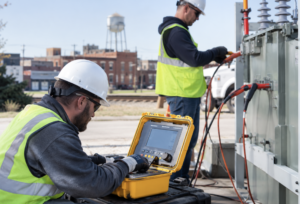
Oklahoma Retail News Highlights Why Dielectric Testing in El Reno, OK Is Critical for Electrical Safety

Retail News for Dielectric Testing El Reno OK

Electrical safety rarely receives much attention until something goes wrong. For retailers, warehouses, service companies, manufacturers, contractors, and other Oklahoma businesses, however, dependable electrical systems and properly maintained protective equipment are part of everyday operations. A damaged insulating glove, deteriorating electrical tool, compromised piece of safety equipment, or unnoticed insulation failure can create a serious hazard long before there are obvious signs of trouble.

That is one reason dielectric testing has become an important part of electrical safety programs for companies in and around El Reno. The testing process helps determine whether insulating materials and electrical protective equipment can withstand specified electrical stresses without allowing dangerous current to pass through them.

For Oklahoma Retail News, the subject reaches beyond the electrical industry itself. Retail businesses depend on power for lighting, refrigeration, security systems, point-of-sale equipment, computers, machinery, HVAC systems, inventory operations, and countless other functions. Behind those everyday systems are electricians, maintenance technicians, utility workers, contractors, and service professionals who may encounter energized equipment.

Businesses seeking professional Dielectric Testing El Reno OK services can use testing as one component of a broader effort to identify potentially compromised insulating equipment before it is placed into service around electrical hazards.

Why Dielectric Testing Matters for Electrical Safety

Dielectric testing evaluates the ability of insulating material or equipment to withstand electrical voltage. The underlying principle is straightforward. Insulation exists to keep electrical current where it belongs and away from workers, surrounding equipment, and conductive surfaces.

The technical concept is commonly described through a dielectric withstand test. According to the Wikipedia overview of dielectric withstand testing, the procedure applies electrical potential to determine the effectiveness of insulation and whether a component can operate safely under specified electrical conditions.

That matters because insulation can deteriorate.

Protective equipment may look perfectly acceptable while containing defects that are difficult to identify through visual inspection alone. Repeated use, improper storage, contamination, cuts, punctures, ozone exposure, heat, chemicals, moisture, abrasion, and ordinary aging can all affect insulating materials.

Dielectric testing provides another layer of information. Instead of relying solely on appearance, testing subjects applicable equipment to controlled electrical conditions intended to determine whether its insulating properties remain adequate for its designated use.

For workers whose jobs place them near electrical hazards, that distinction can be significant.

Electrical Safety Extends Well Beyond Electricians

Electrical safety is sometimes viewed as a concern reserved for power companies or electrical contractors. In reality, electrical systems are part of virtually every commercial operation in Oklahoma.

The U.S. Census Bureau Monthly State Retail Sales program tracks retail activity at the state level across numerous retail subsectors. Those businesses operate stores, facilities, warehouses, offices, distribution locations, service departments, and other properties where electrical systems support daily commerce.

A retailer may never perform high-voltage testing itself, yet it can rely on outside electricians, maintenance companies, utility personnel, equipment technicians, and contractors who work around electrical infrastructure.

Large commercial operations may also employ their own maintenance personnel.

Warehouses have electrical panels, powered material-handling systems, charging equipment, lighting systems, controls, machinery, and distribution equipment. Grocery businesses depend heavily on refrigeration and electrical systems. Automotive businesses operate lifts, diagnostic equipment, chargers, compressors, and powered tools. Large stores may have extensive electrical distribution systems hidden behind what shoppers see.

Electrical safety therefore becomes part of operational safety, even when electricity is not the primary business.

Federal Standards Reinforce the Importance of Electrical Protection

Dielectric testing is not simply an abstract laboratory concept. Federal workplace safety requirements address electrical hazards and the condition of equipment used around them.

The Occupational Safety and Health Administration standard for electrical protective equipment states that covered electrical protective equipment must undergo periodic electrical tests and that the testing method must reliably indicate whether insulating equipment can withstand the voltages involved.

These requirements illustrate an important safety principle. Protective equipment cannot be assumed to remain electrically sound simply because it worked correctly in the past.

OSHA also addresses electrical testing practices more broadly. Its standard governing the use of electrical test instruments and equipment requires qualified persons to perform testing work on electrical circuits or equipment and calls for inspection of test leads, cables, probes, connectors, and related components before use.

That combination of proper testing, qualified personnel, suitable equipment, and regular inspection creates a stronger safety framework than any single precaution alone.

Testing Helps Reveal Problems That May Otherwise Remain Hidden

Visual inspections remain valuable. Cuts, cracking, deterioration, burns, contamination, deformation, or obvious physical damage can provide immediate reasons to remove equipment from service.

The problem is that electrical weakness does not always advertise itself.

A material can retain a normal outward appearance while its insulating properties have deteriorated. Tiny defects may be difficult to see. Previous electrical stress may have affected the material. Storage or environmental conditions may have caused changes that become important only when voltage is applied.

This is where electrical testing serves a different purpose from a visual inspection.

Testing provides measurable evidence about how equipment behaves under controlled electrical stress. Depending on the equipment, applicable standards, and testing procedure, that can help determine whether an item remains suitable for service or should be removed from use.

For businesses, the value is preventive rather than reactive. Discovering a problem during scheduled testing is preferable to discovering it during an electrical incident.

Qualified Testing Supports a Larger Safety Program

Dielectric testing should not be viewed as a standalone substitute for other electrical safety practices. It works best as one part of an organized safety and maintenance program.

The National Fire Protection Association’s NFPA 70E electrical safety standard addresses workplace electrical safety practices, including electrical safety programs, risk assessment, energized work, training, personal protective equipment, and safer working practices.

That broader view is important.

A company can test insulating equipment and still create risk through poor training, inadequate procedures, improper equipment selection, neglected maintenance, or unsafe work practices. Effective electrical safety depends on multiple safeguards working together.

Those safeguards can include qualified personnel, appropriate protective equipment, equipment inspection, maintenance, controlled access to hazardous areas, proper de-energization procedures, training, documentation, and periodic testing where required.

Testing strengthens the system by helping businesses verify one of its most important components: the integrity of electrical insulation and protective equipment.

De-Energizing and Verification Remain Essential Practices

Electrical safety also depends heavily on controlling hazardous energy.

OSHA’s electrical safe work practice requirements under 29 CFR 1910.333 describe procedures for working on or near electrical circuits and include verification requirements before equipment is considered de-energized. The regulation specifies that qualified personnel use test equipment to verify circuit conditions when workers will be exposed to electrical parts.

For businesses and property operators, this highlights why electrical safety cannot be reduced to buying protective equipment and storing it in a cabinet.

Procedures matter. Training matters. Equipment condition matters. Verification matters.

A well-managed electrical safety program treats each of these areas as connected rather than independent.

Why El Reno Businesses Have a Stake in Electrical Safety

El Reno sits within a broader Oklahoma business environment that includes retail operations, contractors, transportation businesses, industrial facilities, service companies, agricultural operations, warehouses, and growing commercial activity.

The Oklahoma Department of Commerce works with companies and communities throughout the state to support employment, investment, infrastructure, business development, and economic growth.

As commercial activity grows, dependable infrastructure becomes increasingly important.

Electrical systems are part of that infrastructure.

Business owners naturally focus on sales, customers, staffing, inventory, marketing, expansion, and operating costs. Maintenance and electrical safety may receive less attention because their greatest value often comes from problems that never happen.

Preventive safety rarely produces a dramatic headline when it works.

Instead, equipment remains available. Workers complete their jobs safely. Facilities continue operating. Maintenance problems are identified before escalating. Businesses avoid unnecessary interruptions.

That quiet reliability is exactly what makes preventive electrical testing valuable.

Electrical Incidents Can Affect Much More Than a Single Piece of Equipment

The consequences of electrical failures can extend beyond the immediate electrical component involved.

An incident can affect workers, surrounding equipment, facility operations, customers, contractors, inventory, production schedules, and business continuity. Depending on the circumstances, electrical problems may also contribute to fire hazards, equipment damage, interrupted operations, or costly repairs.

Retail operations can be especially sensitive to downtime.

When critical electrical systems stop functioning, payment systems, refrigeration, lighting, communications, computer networks, security systems, doors, HVAC equipment, and warehouse operations may also be affected.

Testing and preventive maintenance cannot eliminate every possibility of equipment failure. They can, however, help businesses identify certain vulnerabilities before those vulnerabilities become larger operational problems.

Documentation Adds Value to the Testing Process

Good testing programs also create records.

Documentation can show what equipment was tested, when the testing occurred, whether the equipment passed applicable requirements, and when additional testing may be necessary.

For insulating protective equipment covered by OSHA requirements, recordkeeping and certification can be important components of compliance. OSHA’s electrical protective equipment provisions include requirements related to certifying that certain insulating equipment has been tested and identifying the equipment and date of testing.

From a management standpoint, accurate records also make maintenance easier.

Instead of relying on memory or informal practices, companies can build repeatable schedules. Equipment can be tracked. Test dates can be reviewed. Items approaching required testing intervals can be identified. Equipment that fails can be documented and removed from service.

That creates accountability and makes electrical safety easier to manage over time.

Safety and Business Continuity Are Closely Connected

Electrical safety is first and foremost about protecting people, but sound safety practices can also support business continuity.

Preventive programs encourage businesses to identify vulnerabilities before an emergency forces action. This approach applies throughout facility management, from fire protection and HVAC maintenance to vehicle inspections and electrical systems.

Dielectric testing follows the same principle.

A planned inspection or test occurs under controlled circumstances. A failure in active service does not.

That difference can mean fewer surprises for facility managers, maintenance supervisors, contractors, and business owners responsible for keeping operations running.

For Oklahoma companies that depend on electrical infrastructure every day, preventative testing can therefore be viewed as part of responsible maintenance rather than an isolated technical procedure.

A Stronger Electrical Safety Culture Benefits Oklahoma Businesses

The larger lesson for Oklahoma Retail News is that electrical safety belongs within the broader conversation about operating dependable businesses.

Retail stores and commercial facilities may appear far removed from specialized electrical testing, yet every modern business relies on electricity. Behind the outlets, lights, registers, refrigeration systems, machinery, computers, and building controls are electrical systems requiring proper installation, maintenance, and servicing.

Workers responsible for those systems deserve equipment that has been properly inspected and tested according to applicable requirements.

Businesses also benefit when safety procedures become routine rather than reactive.

Dielectric testing helps support that culture by replacing assumptions with measurable testing. Equipment that passes can return to service according to the applicable testing requirements. Equipment that does not meet those requirements can be identified before a worker depends on it for protection.

Conclusion

Electrical systems are so deeply integrated into modern business that their reliability is often taken for granted. Oklahoma retailers, warehouses, commercial properties, contractors, manufacturers, and service companies depend on electricity every hour they operate.

That dependence makes electrical safety an operational priority.

Dielectric testing provides an important method for evaluating whether applicable insulating equipment can withstand electrical stress and continue performing its protective function. Combined with qualified personnel, visual inspections, proper maintenance, documentation, training, safe work practices, and established electrical safety standards, testing can contribute to a stronger overall safety program.

For El Reno and the surrounding Oklahoma business community, the value is practical. Preventive electrical safety practices help protect workers, maintain equipment integrity, support reliable operations, and reduce the likelihood that an unseen electrical weakness becomes a serious incident.

As Oklahoma businesses continue to operate, expand, and modernize, attention to the systems working behind the scenes will remain essential. Dielectric testing is one of those behind-the-scenes safeguards that receives little public attention when everything goes right, yet plays an important role in keeping electrical work safer when it matters most.