Built on Solid Ground: Why Retail Stores Need a Soil Report Before They Build 🏬🧱

Retail News for Soil Report Near Me

Opening a retail store is exciting. The brand is ready, the location looks perfect, and the spreadsheets say the numbers work. But there’s one part of the project that can quietly decide whether the build stays on budget, passes inspection smoothly, and avoids expensive surprises after opening day: the soil under the site.

A Soil Report (often called a geotechnical report) is the “truth-teller” for what’s happening below grade. It helps architects, engineers, developers, and owners design the building and sitework based on real conditions—not assumptions. In retail, where timelines are tight and every delay can mean lost revenue, that clarity matters.

For context on the industry side of things, retail continues to invest in new formats, remodels, and store expansion, which keeps site readiness and construction risk front and center for growth-minded brands. Sources that regularly cover those retail moves include National Retail Federation (NRF), Retail Dive, Chain Store Age, Retail TouchPoints, ICSC Exchange, and Retail Week. For a baseline definition of the retail category itself, Retail (Wikipedia) is a simple reference point.

A Soil Report protects the retail budget from “invisible” costs 💸

Retail builds have a way of looking straightforward on the surface: slab, walls, roof, parking, utilities, signage. The issue is that soil conditions can force expensive changes after the project is already underway—when change orders cost the most.

A geotechnical investigation identifies things like low bearing capacity soils, compressible layers, expansive clays, high groundwater, undocumented fill, and risk of settlement. These are the kinds of issues that can require thicker slabs, deeper foundations, over-excavation and replacement, lime/cement stabilization, geogrid reinforcement, or drainage redesign. When those decisions happen late, the budget takes a hit. When they happen early—based on a Soil Report—the team can price it accurately and choose the most cost-effective solution.

Soil-related movement is especially dangerous for retail because it shows up where customers notice it: cracked tile, uneven floors, stuck doors, drywall cracks, and warped storefront systems. Preventing those outcomes starts with knowing what the soil will do under the building’s load. ICC Digital Codes+1

It supports code compliance and smoother permitting ✅

Many jurisdictions require a geotechnical report for certain site conditions, building sizes, or foundation types—and building officials often expect the report to inform the foundation and earthwork design. The International Building Code’s Chapter 18 covers soils and foundations and includes reporting requirements when a geotechnical investigation is required. ICC Digital Codes+1

For retail owners and developers, this matters because permitting speed affects opening dates. A complete Soil Report helps reduce back-and-forth during plan review, supports the structural engineer’s foundation design, and provides clear criteria for compaction, fill placement, and site preparation. In practical terms, it’s one of the best ways to keep approvals, inspections, and construction moving in the right order.

Retail floors demand performance, and soil drives slab success 🧱

Retail stores live and die by the customer experience. That includes the feel of the space—flat floors, clean finishes, aligned shelving, smooth transitions between departments, and doors that operate properly every day.

Soil reports guide slab design and subgrade preparation to reduce cracking and differential settlement. They also inform how to handle moisture and groundwater conditions that can migrate into the slab system. This is particularly important for retailers installing large-format tile, polished concrete, specialty coatings, or sensitive floor finishes where curling and moisture vapor transmission can become a costly problem.

The Soil Report becomes the “rules of the road” for earthwork: how much to proof-roll, what to remove, what to replace, how to compact, and what densities and moisture ranges to hit. Those details directly influence whether the slab behaves like the design assumed it would. ASTM International | ASTM+1

It reduces schedule risk, which protects opening day 📅

Retail projects often run on aggressive timelines. Lease milestones, seasonal sales cycles, staffing plans, and merchandising schedules are all tied to the opening date. Soil surprises can wreck that calendar.

A Soil Report reduces the odds of discovering bad fill, unsuitable soils, or high groundwater after excavation begins. It also helps the team select the right foundation system upfront, rather than redesigning midstream. Even when challenging soil conditions exist, knowing early allows procurement and sequencing to adjust—bringing specialty trades in at the right time and preventing long stoppages.

In the retail world, where stores are frequently opening, renovating, and reformatting locations, development coverage often highlights how timing and execution make the difference between a smooth rollout and a costly delay. Planning the ground conditions is part of that execution discipline. chainstoreage.com+1

Drainage, stormwater, and flood risk start in the ground 🌧️

Retail sites come with large paved areas: parking lots, drive aisles, loading zones, dumpster enclosures, and sometimes outparcels. Water management is a major factor—both for compliance and long-term maintenance.

Soil infiltration characteristics affect stormwater plans, retention/detention performance, and the stability of pavements and subgrades. High groundwater or poor drainage soils can increase the risk of pumping during excavation, subgrade softening, and premature pavement distress.

In flood-prone regions, the relationship between the building foundation and surrounding grade is especially important. FEMA’s flood-related guidance and technical bulletins emphasize design considerations that relate to foundations, drainage, and reducing flood damage. Those considerations tie directly back to site conditions, groundwater behavior, and how the building interacts with the soil. FEMA+2FEMA+2

It helps protect the brand from long-term building and pavement problems 🚗

Retail isn’t just a building. It’s also everything outside: parking, loading, sidewalks, curb ramps, cart corrals, and delivery routes. Weak subgrade conditions can cause settlement in pavements and flatwork, leading to ponding water, cracked sidewalks, trip hazards, and customer complaints.

A Soil Report helps civil engineers design pavement sections appropriate for real traffic loads—especially for stores with frequent delivery trucks, heavy dumpsters, or high-turnover parking. It also helps identify areas where pavement subgrades will require stabilization or undercut to avoid failures later.

From an operations standpoint, these issues become repeat expenses: patching asphalt, re-leveling sidewalks, re-striping after repairs, and managing liability risk. Spending money on the soil report up front is often cheaper than paying for years of reactive repairs after the store opens.

Lenders, insurers, and stakeholders expect real risk management 🧾

Retail developments often involve lenders, investors, landlords, and national brand stakeholders. Those groups want fewer unknowns—especially unknowns that can create structural risk, cost overruns, or schedule blowups.

A Soil Report shows that the project team investigated subsurface conditions professionally and designed the foundation and sitework based on evidence. It also helps document that construction followed appropriate geotechnical standards and reporting practices. ASTM publishes geotechnical engineering standards that support investigation, testing, and documentation expectations across the industry. ASTM International | ASTM+1

This is part of what separates a “hope it works” build from a professionally managed project that scales across multiple store locations.

It improves decision-making for site selection and expansion 🌍

Retail growth depends on picking sites that can be built efficiently. Two parcels can look identical from the street and have completely different subsurface conditions. One might be clean native soils with great bearing capacity. Another might be uncontrolled fill, compressible layers, or high groundwater that adds significant cost.

When retailers are expanding—whether through ground-up builds, new formats, or adaptive reuse—soil and subsurface conditions can make a “great deal” turn into an expensive problem. Early geotechnical work supports smarter site selection and better forecasting, especially when a brand is rolling out multiple locations and needs predictable build costs.

Conclusion: Strong retail starts below grade 🧱✨

A Soil Report near me is not paperwork for paperwork’s sake. It is one of the clearest ways a retail store owner or developer can protect the budget, defend the schedule, support code compliance, and prevent long-term performance issues that damage the customer experience.

Retail is competitive. Openings matter. Remodels matter. Brand consistency matters. A store that looks flawless on day one but fights cracking floors, drainage issues, or settlement a year later is paying for what it didn’t learn early enough.

Build the store you want customers to remember—by starting with the ground it stands on. ✅🏬

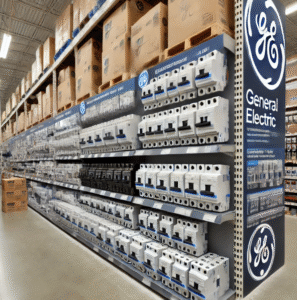
Why Smart Retailers Choose General Electric Breakers for Safer, More Profitable Stores 🛍️⚡

Retail News for general electric breakers

Retail runs on power—literally. From dazzling lighting that draws shoppers in, to point-of-sale (POS) terminals, refrigeration, HVAC, security cameras, and increasingly dense back-of-house tech, a store’s electricity is its lifeline. One silent component determines whether all of that stays dependable and safe: the circuit breaker. For many retailers, choosing General Electric (GE) breakers is a practical, long-term decision that protects people, preserves uptime, and keeps margins healthy.

The Business Case: Power Reliability Is Retail Revenue

Every minute a store is dark or a register is down is a minute of lost sales and shaken customer trust. Power interruptions cascade fast—freezers warm, lines form, and staff scramble to triage equipment. GE breakers are engineered to trip precisely when they’re supposed to and stay out of the way when they’re not, reducing nuisance trips that cause preventable downtime. In multi-circuit retail environments—from boutique footprints to big-box locations—the reliability of these protective devices translates into more consistent operations, steadier revenue, and a better shopping experience.

That reliability also matters across fleets. National and regional retailers need consistent protective gear from store to store so facilities teams, vendors, and electricians can work faster with fewer errors. Standardizing on a widely supported breaker family streamlines maintenance, replacement, and training—compounding savings across a portfolio.

Safety First: Protecting People, Equipment, and Inventory

Modern retail is dense with electronics: LED drivers, POS systems, touchscreens, Wi-Fi access points, self-checkout kiosks, digital signage, and refrigeration controllers. GE breakers help create a layered safety posture:

  • Thermal-magnetic protection to guard branch circuits from overloads and short circuits.

  • Ground-fault and arc-fault options (where applicable) to mitigate the kinds of faults that lead to shocks, equipment damage, or fires in busy public spaces.

  • Selective coordination when used with compatible upstream devices, helping ensure only the affected circuit trips rather than plunging a whole department—or the whole store—into darkness.

When a breaker performs predictably in a fault, staff and customers are safer, and valuable equipment—from compressors to registers—avoids catastrophic damage. That’s risk management with direct financial impact.

Speed and Simplicity: Maintenance That Doesn’t Disrupt the Floor

Retail thrives on predictability. When a breaker needs replacement, facilities teams want it done fast and right the first time. GE’s extensive distribution footprint, clear labeling, and compatibility within product families help technicians identify, source, and swap components quickly. In practical terms, that means:

  • Less time with ladders in aisles or lifts in vestibules.

  • Fewer after-hours service calls.

  • Streamlined work orders for store managers and corporate facilities.

For retailers managing hundreds of locations, this “everyday efficiency” rolls up into meaningful cost avoidance and fewer operational headaches.

Scalability for Rollouts, Remodels, and New Concepts

Retail doesn’t sit still—seasonal resets, remodels, pop-ups, and rebrands all put stress on electrical systems. GE breakers fit into modular approaches to panel design and circuit expansion, making it easier to add new loads (like self-checkout banks or refrigerated endcaps) without reworking the entire distribution strategy. With consistent breaker families and accessories, electrical contractors can plan upgrades that slot neatly into existing gear, shortening project timelines and keeping stores open.

Energy and Sustainability Wins Without Compromising Safety

Efficient operations are now a brand standard. As retailers adopt LED retrofits, smarter HVAC strategies, and energy-aware controls, electrical protection has to keep up. GE breaker options that coordinate with metering, surge protection, and downstream controls support:

  • Cleaner power for sensitive electronics.

  • Lower maintenance on lighting and refrigeration due to fewer transient events.

  • Better measurement and verification when paired with metering—so energy projects can be proven and scaled.

Sustainability isn’t only about utility bills; it’s also about making equipment last longer and avoiding wasteful failures. Breakers that trip appropriately and coordinate with upstream devices help preserve expensive assets.

Code Confidence: Built for Inspection and Compliance

Inspections are part of retail reality—especially for new builds and remodels on tight schedules. Breakers that meet prevailing standards and are backed by comprehensive documentation help keep projects moving. GE’s long history in power distribution gives specifiers and inspectors confidence in listings, short-circuit ratings, and coordination data. For retail leaders, that means fewer surprise delays and smoother handoffs from construction to store operations.

Protection Tailored to Retail Loads

Not all circuits are the same. Retailers benefit from aligning breaker choices with the quirks of each load:

  • Refrigeration and freezers: Inrush currents at compressor start-up can mimic faults to a lesser breaker. Choosing the right curve and rating minimizes nuisance trips that threaten inventory.

  • Lighting and signage: LED drivers can present harmonics or transient behavior. Robust protection helps keep front-of-house presentation pristine.

  • POS and IT racks: Sensitive electronics need stable power and fast fault clearing. Coordinated breakers and proper grounding reduce device failures and data-loss risk.

  • Back-of-house equipment: Balers, compactors, printers, and small conveyor motors benefit from properly sized protection that tolerates expected surges but reacts quickly to genuine faults.

Configuring protection thoughtfully with a reputable breaker platform reduces everyday frustrations and preserves the shopper experience.

Total Cost of Ownership: The Quiet ROI

Breakers aren’t a line item most retail executives obsess over—but they influence plenty of the ones that matter:

  • Fewer nuisance trips → fewer refunds, abandoned carts, and customer complaints.

  • Shorter service calls → lower lifetime maintenance spend.

  • Better asset protection → fewer replacement compressors, drivers, and registers.

  • Simplified training → store teams and vendors move faster and make fewer mistakes.

Across a chain, those quiet wins add up. Selecting a dependable, widely supported breaker family is a small, high-leverage decision.

Resilience for Omnichannel and Experiential Retail

Today’s stores operate as showrooms, micro-fulfillment hubs, and brand stages—all at once. That means more coolers, more screens, more scanners, more chargers, and more automation. Power incidents ripple further than ever. GE breakers, paired with sound panelboard design and surge protection, form the backbone of resilience for:

  • BOPIS and curbside pickup staging, where cold chain integrity and POS uptime are non-negotiable.

  • Experiential zones with lighting rigs, audio, and interactive displays that require stable power.

  • Back-room fulfillment tech (labelers, handhelds, RF chargers) that depends on clean, uninterrupted circuits.

Stable electrical protection sustains the omnichannel promise shoppers expect.

Supply Chain and Availability: Parts When and Where You Need Them

Retail moves fast, and facilities leaders need parts that are actually on shelves. GE breakers’ broad availability through electrical distributors means stores and service partners can get what they need quickly, reducing downtime when issues arise. That availability also simplifies capital planning: procurement teams can standardize SKUs and avoid long-tail, hard-to-source items that derail projects.

Future-Ready Infrastructure for What’s Next

From EV charging at the curb to smart shelves inside, retail electrification is accelerating. Breakers that integrate cleanly with evolving panelboard, metering, and surge protection ecosystems give retailers room to grow. Choosing a robust, well-documented platform now prevents costly rework later and creates a foundation for innovations that haven’t even hit the floor yet.

Reinforcing the Case with Industry Perspective

Strong electrical protection isn’t just a facilities topic; it intersects with broader industry priorities like operational resilience, customer experience, and loss prevention. To keep a finger on the pulse of how leading retailers think about store operations, resilience, and modernization, explore these authoritative resources:

  • Retail Dive for breaking developments in store operations and technology adoption across major brands.

  • National Retail Federation News for policy, operations, and resiliency insights affecting retailers of all sizes.

  • CNBC Retail for executive-level context on how operational investments (including infrastructure) influence sales, margins, and stock performance.

  • Retail (Wikipedia) for a high-level overview of the retail industry’s structure and evolving formats.

Each link offers context that reinforces why seemingly “back-room” decisions—like standardizing on GE breakers—show up on the sales floor as smoother operations, happier customers, and stronger financials.

Conclusion: Quiet Hardware, Loud Results 🏁

In retail, the best infrastructure is invisible to shoppers and invaluable to operators. General Electric breakers deliver predictable protection, broad availability, and portfolio-wide standardization that reduce downtime, safeguard people and assets, and keep the lights—and lanes—on. As stores take on new roles and technologies, dependable electrical protection becomes even more mission-critical. Investing in a trusted breaker platform is one of those quietly strategic choices that pays off day after day, transaction after transaction, across every aisle.

Why a Seattle Retail Store Needs Warehousing in Seattle 📦

Retail News for Warehousing in Seattle

In the dynamic retail environment of the Pacific Northwest, having a local warehousing solution can make the difference between thriving and merely surviving. For a retail store in Seattle, leveraging warehousing within or near the city offers strategic advantages that go far beyond simply storing extra inventory. This article explores why securing warehousing in the Seattle region is a forward-looking move for any retail operation, particularly given local market trends, logistics pressures, and evolving consumer expectations.


Capturing Speed and Local Market Responsiveness


When your retail store is located in Seattle, having a warehousing partner or facility nearby means that your supply chain becomes significantly more responsive. With shorter transit times between distribution and store locations, you can react swiftly to local demand spikes, seasonal shifts, or promotional pushes. Local warehousing enables faster replenishment of best-selling items, reduces stock-out risks, and supports the flexibility required in today’s retail environment.

In the Puget Sound region, the retail market is facing “mixed signals” with shifting consumer trends and leasing demand softening. Connect CRE Having a warehouse nearby helps buffer those market swings by providing operational agility—when store traffic or customer behavior changes quickly, your inventory strategy can shift too.

Furthermore, local warehousing supports omnichannel retail operations: whether customers order online and pick up in-store, reserve online and collect, or you want to support a “click-and-collect” option, having inventory close to your store location ensures quicker fulfilment and a better customer experience.


Reducing Costs and Improving Efficiency


Warehousing near Seattle offers tangible operational cost advantages for a retail store. According to industry insights, effective retail warehousing helps to cut labour, transportation and storage costs. AutoStore+1 By locating the warehouse within the same metro area, you reduce long-haul truck charges, lower fuel costs, minimise inter-facility transfers, and shorten lead times.

Moreover, with streamlined warehousing, you can optimise your store inventory levels and shift non-core stock out of the store and into the warehouse. This means less clutter in the selling area, improved in-store merchandising flexibility, and fewer tie-ups of capital in over-stocked display shelves. Efficiency gains in the warehouse translate to better storefront execution.

Warehousing also enables better inventory management systems and techniques: real-time tracking, accurate order fulfilment, and improved control over returns and reverse logistics. These efficiency gains ultimately improve your margin and free up resources to invest in customer service, store experience, or marketing.


Supporting Better Customer Experience and Stock Availability


A major factor in retail success is ensuring the right products are available at the right time and place. Local warehousing in Seattle allows your retail store to offer stronger product availability: you can maintain safety stock of key SKUs, quickly respond to store replenishment needs, and reduce the risk of stock-outs during high-traffic periods.

Enhanced availability has a direct impact on customer satisfaction and loyalty. In the era of omnichannel shopping, consumers expect seamless experiences, including same-day fulfillment, accurate in-store inventory, and smooth pickup or delivery options. A locally positioned warehouse helps deliver that seamless experience by shortening the supply chain and improving reliability. Retail distribution is no longer just about moving goods—it’s about meeting customer expectations with speed, accuracy and flexibility. NetSuite

In Seattle’s retail environment, where market vacancy remains tight and competition is strong, having an edge in customer service and fulfilment can differentiate your store from others. Kidder Mathews


Adapting to Local Logistics and Regional Trade Dynamics


The Seattle region presents its own unique logistics challenges and opportunities. Being a significant port area and Western gateway, Seattle sees heavy freight flows, potential congestion, and shifting labour or transportation dynamics. For example, warehouses near Seattle are in demand, as indicated by recent multi-million-dollar trades of warehouse properties in the area. Kidder Mathews+1

By picking warehousing within the Seattle metro, your retail store can minimise exposure to cross-country shipping delays, long inbound times, and potential disruptions from global supply chain issues. You’re essentially localising your logistics footprint, which means fewer link-in-the-chain vulnerabilities.

Furthermore, warehousing near your store gives you better visibility and control over inbound stock arrival, shorter lead times, and potential for rapid next-day or within-same-day transfers to the store. That kind of flexibility can be especially beneficial during peak retail periods, local events, or marketing campaigns specific to the Seattle market.


Scalability and Future-Proofing Your Store


As your retail store grows—whether via new product lines, expanded floor space, or increased online orders—the need for warehousing will scale too. A Seattle-based warehouse gives you room to grow without sacrificing responsiveness.

Warehousing isn’t just storage—it’s a strategic asset. Implementing modern warehousing practices such as automation, real-time inventory visibility, and flexible storage configurations ensures you stay ahead of evolving customer expectations. Warehouse technology adoption is increasingly cited as a key component of retail success. usiship.com

By embedding a local warehouse solution in your business model, your retail store is better equipped to handle expansions, seasonal surges, omni-channel shifts, and local market nuances. It becomes a platform for agility rather than a bottleneck.


Conclusion


For a retail store in Seattle, warehousing in the local metro is not a luxury—it’s a strategic necessity. From improving speed and responsiveness, reducing costs, enhancing customer satisfaction, navigating regional logistics, to building scalability for future growth, the benefits are substantive and inter-linked. The Seattle retail environment presents both opportunity and challenge; by anchoring warehousing nearby, your store positions itself to thrive in a competitive and evolving market. Embracing Warehousing in Seattle within the Seattle region is a smart investment in operational strength, customer experience, and long-term resilience.

Why a Cannabis Retail Store Needs to Hire a Cannabis Construction Company 😊

Retail News for Cannabis Construction Company

As the legal cannabis retail marketplace continues to expand, operators of stores and dispensaries face unique challenges—from strict regulatory requirements to brand differentiation in a crowded field. While many entrepreneurs focus first on licensing, sourcing products, and customer experience, the physical location itself demands careful planning and execution. That’s why hiring a specialized construction company with expertise in cannabis retail is not just advantageous—it’s essential. In this article we’ll explore the reasons why a cannabis retail store should engage a dedicated cannabis construction contractor, what that partnership looks like, and how it can set the business up for long-term success.

Why the Build-Out Matters


The design and construction of a retail cannabis store is far more complex than a typical retail shop. A build-out must accommodate public retail space, secure inventory storage, high-end security systems, regulatory compliance (e.g., surveillance, vaults, restricted access), odor containment, HVAC and air filtration systems, and aesthetic presentation that aligns with brand identity. According to retailer-construction specialists, hiring a general contractor with experience in retail can ensure that these myriad needs are managed. Constructive Solutions, Inc.+1 At the same time, within the cannabis market specifically, there are documented examples of design/build firms that focus exclusively on cultivation, processing and dispensary facilities—highlighting how the industry demands specialized knowledge beyond typical commercial retail. ARCO National Construction+1

With regulatory inspections, security audits, and brand reputation all on the line, the physical store is a critical asset. A poor build-out can lead to delayed openings, costly change-orders, compliance failures, and ultimately lost revenue. In a market where timing and presentation matter, investing in the right construction partner yields outsized value.


Expertise in Cannabis-Specific Construction

A key reason for selecting a construction company that specializes in cannabis retail is that they already understand the unique regulatory, mechanical, security and operational requirements of the industry. For example, firms such as ARCO National Construction list dozens of projects in cultivation, processing, distribution and dispensary facilities, citing that “whether it’s a new … dispensary, the conversion of an existing space … our team … have the knowledge and experience to bring our cannabis clients’ ideal facility to life.” ARCO National Construction

In addition, industry commentary notes that retail construction in general is evolving rapidly: design teams, mechanical systems, and contractor teams must adapt to changing consumer behaviours, technological integration, and regulatory pressures. SMWILSON – Beyond The Build For a cannabis retailer, this means building a space that meets both the public retail front-end—attractive, welcoming, brand-aligned—and the back-end operational needs: secure vaults, discreet loading zones, robust HVAC, heavy power loads, specialized lighting, intrusion detection and surveillance systems. A construction company without cannabis experience may miss these requirements, leading to scope gaps and costly remediation.

Hiring a cannabis-savvy contractor thus ensures the build is done right the first time, with fewer surprises. Their prior experience means fewer “learning-curves,” better pre-planning, and smoother permit and inspection pathways. It’s not simply construction—it’s construction tuned to cannabis retail.


Compliance, Security and Risk Mitigation

One of the biggest risks for a cannabis retailer is non-compliance. Local and state licensing often require strict adherence to building codes, fire codes, security standards, surveillance systems, access control, odor mitigation, waste disposal, and other facility-specific rules. A reputable construction company will know these standards and factor them in from day one.

For example, a typical retail contractor article lists as one of the primary benefits of hiring a specialist the fact that they “ensure safety and compliance — By ensuring the project building is code-compliant, retail contractors help business owners avoid potential legal liabilities and fines for non-compliance.” Constructive Solutions, Inc. In the cannabis context, that translates to meeting municipal zoning, state cannabis board regulations, secure storage requirements, camera coverage, materials used, and even mechanical ventilation for odor and air control.

Security is another major concern: many dispensaries require vaults or safes for inventory, CCTV and access control for both front- and back-of-house. A contractor familiar with cannabis retail design will integrate these seamlessly rather than retrofit them later at extra cost and downtime. The dedicated cannabis facility construction provider cited above emphasises that they have experience with secure storage and surveillance across multiple states. Mosaic Construction

By mitigating these risks early via a specialist construction partner, a cannabis retailer can reduce delays, avoid costly fines or shutdowns, and preserve their brand’s integrity.


Branding, Customer Experience & Operational Efficiency

Beyond compliance, a cannabis retail store needs to deliver on experience. The physical space is an extension of the brand: from lighting, fixtures, and finishes to traffic flow, customer sight-lines, product displays, and point-of-sale integration. A construction company that understands retail build-outs—not just as barns, but as experiential environments—can help bring brand vision to life.

Retail construction thought-leadership emphasises that a successful build-out should align with business goals and create an inviting space for customers. Ladson Construction While this principle is general, it becomes more important in the cannabis retail space, where customers expect a modern, boutique-like experience rather than a warehouse feel. A professional construction company can help optimise layout for retail flow, sight-lines to products, discreet but heavy security zones, an inviting façade, and backend operational efficiency.

Efficient operations matter: deliveries, inventory storage and movement, staff workflow, and customer flow all need to be designed up-front. A specialist contractor will know how to design service entrances, inventory vault access, HVAC segregations, and other operational elements that a purely retail-construction contractor may not. By aligning brand, experience and operations through the build-out, a cannabis retailer can maximise customer satisfaction, reduce friction, and support staff productivity.


Cost, Timeline and Value Engineering

Time to open is critical in cannabis retail. Licensing windows may be limited, lease terms may have deadlines, and every day offline is lost revenue and competitive momentum. A construction company experienced in cannabis retail can shorten timelines, avoid rework, and deliver value through planning, supplier relationships and proven workflows.

A retail-construction article highlights that a retail general contractor saves you time and money by acting as single point of contact, leveraging supplier relationships, obtaining permits efficiently, and reducing miscommunications and delays. Constructive Solutions, Inc. In the cannabis world, this is even more significant. Delays in build-out can impact regulatory approvals, cause missed launch dates, and increase cost inflation risk (especially given materials and labor volatility). By selecting a cannabis-construction specialist, a retailer benefits from prior supplier networks, standardized processes adapted for cannabis retail, and built-in risk management.

Value engineering is also important: specialized contractors know where to allocate budget—what finishes matter for customer experience, which systems must be best-in-class (security, HVAC, vaults), and where compromises are acceptable. This balanced approach delivers a store that is brand-worthy, functional, compliant and cost-effective.


Adaptability, Growth and Future-Proofing

Another compelling reason to hire a cannabis-construction company is future-proofing. The cannabis retail market is evolving quickly, and new regulations, consumer habits, and store formats are emerging. When built correctly, a retail store must remain adaptable.

Industry commentary on retail construction emphasises that adaptability is key: “The retail market can pivot on a dime… The role of a construction partner goes beyond just building structures; it involves creating environments that enhance the shopping experience, attract foot traffic and integrate seamlessly with digital platforms.” SMWILSON – Beyond The Build For cannabis, this implies designing spaces that can incorporate digital ordering, curb-side pickup, vending/automation, sustainable systems, and evolving security protocols. A specialized construction partner will account for mezzanine options, modular build-outs, flexible electrical infrastructure, and scalable HVAC or vault systems.

This future-proofing ensures that as the business expands (new SKUs, new service models, integration with e-commerce or delivery), the physical store does not become a constraint. Instead, the construction build-out becomes an asset enabling growth.


Conclusion


When a cannabis retail business sets out to build or remodel a store, the decision of who constructs the space should be treated as strategic. Hiring a Cannabis construction company with specific experience in cannabis retail is far more than a convenience—it is a competitive advantage. With this kind of partner, the store benefits from cannabis-industry-specific expertise (compliance, security, workflow), retail experience (brand environment, customer experience, operations), cost and time efficiencies, and future-ready design.

In an industry defined by regulatory scrutiny, rapid innovation and shifting consumer expectations, the physical store is a central piece of the brand promise. By engaging a dedicated cannabis construction firm early, a cannabis retailer sets the stage for success—opening on time, operating smoothly, delighting customers, and scaling confidently. If you are planning a retail cannabis location, the construction partner you choose matters as much as the products you sell. 🚀

Why Retail Store Employees in Louisiana Should Consider Louisiana Medicare Supplement Plans 😊

Retail News for Louisiana Medicare Supplement Plans

Working in retail isn’t just about sales and stocking shelves — for many Louisiana retail store employees, it’s a lifetime of dealing with irregular hours, part-time scheduling, and often limited access to robust employer-sponsored health benefits. As these workers approach the age or eligibility for Medicare, they confront unique challenges combining the quirks of retail employment with the complexities of Medicare. That’s where Louisiana Medicare Supplement plans (Medigap or “Medicare Supplement”) can play a crucial role. In this article, we’ll explore why retail employees in Louisiana especially need to understand and consider Medicare Supplement options, drawing on retail industry trends, healthcare cost pressures in Louisiana, and the intersection between employment and retirement coverage needs.


Why Retail Employees Face Unique Health Coverage Challenges

Louisiana retail employees often face structural obstacles that make traditional health insurance coverage harder to access or less comprehensive. Some of the key challenges include:

  • Part-time or variable scheduling: Many retail stores rely on hourly, part-time, or seasonal employees. Such workers may not meet eligibility thresholds for full employer health insurance benefits, or may only receive minimal coverage.

  • Smaller employer support: In Louisiana, the number of small businesses offering health insurance has declined significantly over time. According to the Baton Rouge Business Report, the number of small Louisiana businesses offering health plans has dropped by over 24% in recent decades. Baton Rouge Business Report

  • Rising insurance cost pressures: Employers across Louisiana are bracing for steep premium increases in 2026, with insurers projecting “double-digit rate increases” for employee health plans. Insurance News | InsuranceNewsNet+1

  • Benefit plan instability: Some municipalities and government units are switching or restructuring their health insurance offerings for employees and retirees, which shows that even public benefit systems are under strain. For example, the City-Parish of Baton Rouge recently approved a switch in health insurance for employees and retirees, which underscores the financial pressures faced by institutions providing coverage. WBRZ

Because of these factors, retail employees may struggle in midlife to maintain consistent, quality health coverage. As they age and become eligible for Medicare (typically at age 65, or earlier under disability), gaps in coverage can become more acute unless they plan ahead.


What Are Medicare Supplement (Medigap) Plans?

Before explaining why retail employees need these plans, let’s briefly outline what Medicare Supplement plans are:

  • Medicare Supplement plans are private insurance policies designed to “fill the gaps” left by Original Medicare (Parts A and B). These gaps include things like Medicare’s coinsurance, deductibles, and excess charges.

  • To enroll in a Medigap plan, one must generally be enrolled in Medicare Part A and Part B, and live in the state where the plan is offered.

  • Medigap plans are standardized (in most states, including Louisiana) into lettered plans (Plan A, Plan G, Plan N, etc.). Each plan must offer the same “core benefits,” though costs and additional benefits vary by insurer.

  • Unlike Medicare Advantage plans, Medigap plans allow beneficiaries to see any provider that accepts Medicare, without being tied to networks.

In short: Medicare Supplement plans help protect against large out-of-pocket expenses for medical care, giving more predictability to retirees’ healthcare costs.


Why Retail Employees in Louisiana Particularly Need Medigap

1. Bridging Coverage Gaps for Those with Interrupted or Sparse Coverage History

Retail employment often involves seasons of full benefits, but also gaps (such as seasonal layoffs or losing eligibility). This patchwork of coverage can leave future retirees vulnerable:

  • Having gaps in coverage may limit future options or lead to higher premiums when enrolling in supplemental plans — but enrolling in a Medigap plan early (during the “Medigap open enrollment period”) offers guaranteed issue rights, protecting the employee from denial or underwriting due to health conditions.

  • Retail employees may lack consistent access to supplemental retiree health benefits, making Medigap essentially their primary backstop against large medical bills.

2. Protection from Rising Health Costs and Prescription Drug Inflation

Healthcare costs — especially for prescription drugs — are rising rapidly in Louisiana, putting pressure on both employers and individuals.

  • The state’s public worker insurance plans, for instance, are now spending $200 million annually on GLP-1 class drugs (used in diabetes and weight loss therapy), even excluding certain uses related to obesity. New Orleans CityBusiness

  • For retail employees nearing retirement, the prospect of being landed with large out-of-pocket expenses is real, especially if they have chronic conditions or require complex prescriptions.

A Medigap plan can cap many of those out-of-pocket exposures, making costs more predictable in retirement.

3. Continuity When Employer Coverage Ends

Many retail employees lose employer health coverage once they retire or reduce hours. At that moment, switching to Medicare with a robust supplement becomes critical.

  • If one delays enrolling in Medigap, one may face higher premiums, refusal, or underwriting penalties (depending on the state rules). Enrolling in the Medigap open enrollment window (the six months after one turns 65 and is enrolled in Part B) ensures access without medical underwriting.

  • A Medigap plan can provide continuity in coverage across providers, unlike some employer retiree plans or Medicare Advantage plans with network restrictions.

4. Freedom and Flexibility

Because Medigap plans allow access to any provider that accepts Medicare, retail employees and their families don’t have to worry about restrictive provider networks. This flexibility is especially valuable to people who live in more rural or underserved parts of Louisiana, where provider options may be limited.

Also, retail employees often relocate or retire away from their original home district; Medigap travels with the beneficiary (as long as the plan is offered statewide or in their new state). That mobility is helpful.

5. Financial Predictability for Fixed or Modest Retirement Incomes

Many retail employees retire with modest savings. In retirement, unexpected medical costs can devastate a fixed income.

  • Medigap plans help transform unpredictable bills (e.g. expensive hospital coinsurance) into more stable monthly premiums.

  • While the premium does add to monthly costs in retirement, that tradeoff is often far more manageable than being exposed to large medical bills.


Overcoming Common Objections and Myths

Even with these advantages, many retail workers hesitate. Below are common objections — and responses.

“It’s too expensive.”
Yes, Medigap premium costs can seem high. But the true value lies in what you don’t pay out of pocket later. When weighed against a catastrophic hospital stay or chronic care costs, the premium is insurance in its truest sense.

“I could get Medicare Advantage instead.”
That’s a viable alternative for some. But Medicare Advantage plans often limit providers, have network restrictions, or copays and prior authorization hurdles. For someone who values flexibility and doesn’t want restrictions, a Medigap plan plus Original Medicare often offers a more dependable route.

“I don’t need extra coverage — I’m healthy.”
Health status can change suddenly. A diagnosis or injury later in retirement can lead to thousands in unexpected costs. Securing a Medigap plan early preserves predictable costs.

“My employer offers retiree health benefits.”
That’s rare in retail, and any employer retiree health benefits may have limitations, network restrictions, or cost shifts over time. A Medigap provides a stable personal safety net regardless of employer policies.


Strategic Steps for Retail Employees in Louisiana

To make the most of Medigap, here’s a roadmap tailored to Louisiana retail workers:

  1. Track your Medicare eligibility window
    When you turn 65 and enroll in Medicare Parts A and B, your six-month Medigap open enrollment period begins. Don’t delay.

  2. Compare Medigap plans and carriers early
    While Louisiana standardizes Medigap benefit options, premiums and additional perks differ across insurers. Compare costs in your region.

  3. Plan around employment changes
    If you reduce hours or leave a retail job before 65, explore bridge coverage options (COBRA, ACA marketplace) to avoid coverage gaps that could affect Medigap pricing.

  4. Budget in retirement for premiums
    Include the Medigap premium as a fixed “insurance expense” in your retirement income projections.

  5. Consult a licensed insurance broker knowledgeable in Louisiana Medigap
    They can guide you through the rules, help you consider factors like age, location, and plan availability.


Retail Industry Trends and Health Benefit Pressures in Louisiana

To appreciate why this is particularly relevant for retail workers now, we should look at broader trends in retail and health benefits in Louisiana and the U.S.:

  • Retail remains one of the largest employers nationally, but margins are thin, and many chains face volatility from e-commerce competition, supply chain disruption, and labor pressures. Offering generous health benefits is increasingly burdensome.

  • Many employers are shifting toward alternate health benefit models like Individual Coverage Health Reimbursement Arrangements (ICHRAs) to control costs, putting more of the responsibility on individual workers. In Louisiana, more employers are sending workers to shop for their own coverage via ICHRAs. New Orleans CityBusiness

  • In Louisiana’s legislative and regulatory environment, pharmacy benefit manager (PBM) practices have come under scrutiny. Recently, efforts emerged to limit chain drug stores affiliated with PBMs to protect independent pharmacies and improve transparency. WBRZ

  • Enforcement and costs associated with drug pricing, benefit management, and insurance oversight are increasing, which may further squeeze employer coverage plans. A notable dispute involves mass text messaging by CVS in Louisiana to influence state legislation — showing the depth of the intersection between retail health, policy, and business operations. AP News

These pressures underscore how fragile employer health coverage can be in retail sectors — reinforcing the need for individual safety nets like Medigap.


Conclusion

Retail store employees in Louisiana are uniquely vulnerable when it comes to health benefits: part-time scheduling, shrinking employer support, volatile industry economics, and rising health costs all conspire to limit robust coverage options. As those employees approach Medicare eligibility, the gaps become more consequential.

Louisiana Medicare Supplement plans (Medigap) offers one of the most dependable ways to manage the financial risks of aging healthcare needs. It ensures coverage continuity, flexibility in provider access, and predictable costs for retirees on fixed incomes. For retail workers who may never have been fully supported by employer benefits, Medigap may not just be optional — it could be an essential bridge to health security in retirement.

If you or someone you know is a retail employee in Louisiana around Medicare age, it’s worth starting the Medigap exploration now. With the right guidance and timing, a Supplemental Medicare plan can be the backbone of health stability in your later years.

Why California Retail Centers Need a California Owners’ Representative

Retail News for California Owners Rep

In California’s dynamic and often challenging retail development landscape, having a dedicated and experienced Owners’ Representative (“owners’ rep”) is not just beneficial—it’s increasingly essential. A retail center in the Golden State faces unique regulatory, environmental, and market-driven challenges. From maneuvering complex permitting regimes to coordinating with multiple subcontractors, mitigating the risks of cost overruns, and ensuring alignment with evolving consumer trends, California retail centers need someone whose sole focus is protecting the owner’s interests. Below, we explore why a California retail center stands to gain so much from involving an owners’ rep in every phase of development.


The Complexity of California Retail Center Development

California’s regulatory and environmental context is among the most complex in the U.S. Building codes vary significantly across jurisdictions, environmental reviews (CEQA) can delay projects, and labor laws and permit requirements are strict. Without specialized oversight, developers may face costly delays or compliance issues. The owners’ rep brings expertise in navigating these challenges, ensuring timely approvals and minimizing regulatory risk.

Furthermore, California’s retail market is constantly evolving. Consumers expect not only shopping and dining but mixed-use elements—residential, entertainment, wellness—alongside eco-conscious elements like sustainability and EV charging. Having someone on the owner’s side who understands current retail construction and market trends keeps the project on the cutting edge. Retail and construction news outlets increasingly spotlight how major retail centers are transforming—see the recent acquisition and mixed-use redevelopment of Lakewood Center in Southern California by Pacific Retail Capital Partners and partners. Business Wire


What an Owners’ Representative Does for a Retail Center in California

Single Point of Accountability

When you hire an owners’ rep, you get a professional responsible for overseeing and coordinating all stakeholders—architects, engineers, contractors, financing groups, permitting offices, and marketing consultants. This centralized role ensures accountability and alignment around the owner’s goals.

Budget Oversight and Cost Control

Owners’ reps excel at tracking budgets closely, managing change orders, identifying cost-saving opportunities, and preempting scope creep. According to AIA Contract Documents, they help maximize an owner’s investment by preventing unnecessary expenses and carefully auditing invoices. Learn – ACD Operations

Schedule Management & Issue Resolution

California projects often face schedule disruptions due to permitting delays or supply chain issues. An owners’ rep maintains project milestones, proactively identifies bottlenecks, and swiftly coordinates solutions—keeping the project on track and aligned with the financial and operational expectations of the owner.

Regulatory & Risk Management

From zoning rules to environmental compliance, building permits to ADA and accessibility codes, an owners’ rep knows how to navigate these complexities. As Atwell highlights, they provide effective coordination with stakeholders and deliver risk mitigation across multiple dimensions of a construction project. Atwell

Quality Assurance

A high-performing retail center demands high-quality construction and specifications. Owners’ reps conduct regular inspections, enforce contract terms, and ensure workmanship meets both code requirements and brand standards. They serve as the owner’s meticulous eyes on the job site.

Enhanced Communication & Stakeholder Coordination

Retail center development involves many moving parts—design teams, contractors, city agencies, marketing agents, financing partners. Owners’ reps maintain clarity, regular updates, and smooth communication across the board. Without this, miscommunication can result in costly delays and misunderstanding.


Why California Retail Centers, in Particular, Benefit from an Owners’ Rep

  1. Regulatory Environment: California counties and cities each have their own building codes, environmental review processes (CEQA), stormwater and labor-related requirements. Owners’ reps with California-specific experience can steer these waters much more effectively.

  2. Sustainability and Green Building Pressure: With California’s strict energy codes (Title 24), cap-and-trade legacy, climate goals, and consumer expectations, projects often need LEED or green certification. An owners’ rep familiar with sustainable construction codes ensures cost-efficient compliance and long-term performance.

  3. Market Evolution Toward Mixed-Use: Retail developments in California are often becoming mixed-use hubs—retail, housing, offices, hospitality, entertainment. This complexity requires strategic planning, phased delivery, and multi-disciplinary coordination—exactly where an owners’ rep adds value.

  4. Fast-Moving Investor and Leasing Climate: Competition for premium tenants is fierce. Owners’ reps help ensure the project’s timeline, quality, and cost align so tenant rollout and leasing happen smoothly—preserving credibility and capital planning.


Supporting Insight from the Industry

An article on Buildings.com outlines the top reasons to engage an owner’s construction representative: reducing owner risk, managing cost, maintaining quality, and aligning execution with the owner’s vision. Buildings

Further, Atwell’s insights emphasize how owners’ reps contribute to effective and efficient construction projects, including stakeholder coordination, expert project management, and budget monitoring. Atwell


Conclusion

For a California retail center, a California Owners Rep is not a luxury but a strategic necessity. They serve as the owner’s advocate, navigating regulatory complexity, anchoring the project to budget and schedule, ensuring high quality, and harmonizing communication across all players. Whether redeveloping an existing site or building anew in a demanding retail environment, owners benefit from the discipline, foresight, and experience an Owners’ Rep delivers.

In fast-evolving retail contexts—especially mixed-use, sustainability-focused, or redeveloped centers—the added layer of professional representation can mean the difference between a project that thrives and one that stalls. If you’re investing in retail real estate in California, consider bringing an Owners’ Representative on board early—it’s an investment in success.

Why Retail Services Need Service BIM to Move Faster, Cut Risk, and Scale Smart 🛍️🏗️

Retail News for Service BIM

Retail moves at the speed of the customer. Formats evolve, assortments flex by market, and stores must open, remodel, and refresh on tighter timelines than ever. Behind the scenes, “retail services” teams—store development, facilities, fixtures, merchandising, MEP trades, and rollout partners—carry the load. Service BIM (Building Information Modeling applied to service disciplines and ongoing operations) gives those teams a shared, data-rich model that links people, products, timelines, and assets from concept to day-2 operations. The result is fewer surprises in the field, faster rollouts, more predictable costs, and a living digital record that keeps stores safe, efficient, and on-brand.

Below is how Service BIM pays off across the retail lifecycle—and why it’s now essential infrastructure for competitive retailers.

What Service BIM Actually Means for Retail (In Plain English)

In retail, Service BIM is a coordinated 3D/4D/5D model that focuses on the systems and services that make a store function—HVAC, electrical, plumbing, low voltage, lighting, controls, fixtures, gondolas, signage, even back-of-house flows. It’s not just a pretty model. It’s a single source of truth that ties drawings, specs, schedules, costs, asset tags, commissioning data, and maintenance procedures together. Everyone—from architects and engineers to fixture vendors and service techs—works off the same accurate information, which means fewer RFIs, fewer field changes, and faster turnover to operations.

Shrinking Time to Open Across Multi-Site Rollouts

Opening one store quickly is hard. Opening hundreds in different jurisdictions—each with its own site quirks, permitting requirements, ceiling heights, and legacy conditions—can crush schedules. Service BIM accelerates the entire pathway:

  • Survey to model: Laser scans and existing conditions become an accurate as-built baseline so design and service layouts fit the real space the first time.

  • Clash detection: Before anyone mobilizes, MEP, shelving, conduits, cable trays, and ceiling elements are coordinated. Hidden collisions get resolved digitally instead of on ladders.

  • 4D build sequencing: The model ties to the schedule so trades see the install order, dependencies, and just-in-time deliveries.

  • Permitting and approvals: Clear, coordinated documentation speeds review, helps AHJs answer questions, and reduces resubmittals.

  • Turnover checklists: Commissioning data and asset registers are captured in the model, reducing “missing manuals” moments at handoff.

Retail is expanding and evolving even amid macro shifts; large chains continue to announce new formats and footprints, which places a premium on predictable execution. Recent coverage shows majors still opening stores and testing formats, underscoring the need for disciplined rollout tooling. See, for example, Target’s plans for larger formats this fall, a reminder that complexity is increasing—not shrinking. Retail Dive

Standardizing Brand and Back-of-House—Without Losing Local Flex

Headquarters wants brand consistency across signage sightlines, lighting levels, queue systems, and planogram-driven fixture layouts. Local teams must adapt to real-world constraints: column grids, beams, existing duct mains, and landlord utilities. Service BIM enables both:

  • Parametric store “kits”: Create store typologies and fixture libraries that snap into new shells while adapting to local geometry.

  • Visual merchandising in context: Planogram data can be coordinated with lighting photometrics and power drops to ensure hero displays actually shine.

  • Services templates: Repeatable MEP “rooms” (e.g., electrical rooms, IT hubs, walk-ins) are modeled once and reused with confidence.

Retailers betting on physical spaces (from digitally native brands entering malls to value players adding locations) illustrate why repeatable yet flexible design is a superpower. Industry reporting highlights how brands are re-embracing malls with localized strategies—exactly the scenario where modular BIM standards + local adaptation win. Modern Retail

Fewer Change Orders, Lower Cost Overruns, and Cleaner RFIs

Change orders blow up retail margins. Service BIM reduces them by catching issues before the truck rolls:

  • Spatial conflicts: BIM clash coordination finds duct/register conflicts with signage drops, aisle cameras, or shelf toppers.

  • Utility capacity checks: Early load calcs prevent late-stage panel upgrades.

  • Vendor coordination: Fixture shop drawings, millwork tolerances, and POS cabling paths are locked early, reducing onsite guesswork.

  • Clear scopes of work: Trade partners bid the same, coordinated scope, so apples-to-apples pricing replaces contingency padding.

The broader retail climate is still growth-oriented but margin-sensitive, making waste reduction even more critical. NRF’s 2025 forecast pointed to continued, if moderating, growth—conditions that reward execution discipline and cost control. National Retail Federation+2National Retail Federation+2

Omnichannel Readiness: Backrooms, BOPIS, and Micro-Fulfillment by Design

Today’s store is a showroom, a mini-warehouse, and a service counter. That means staging space, staging logic, and circulation flow matter. Service BIM allows retail services teams to “test fit” omnichannel operations:

  • BOPIS/BORIS counter placement: Model queueing, camera views, and power/data for lockers and kiosks.

  • Backroom zoning: Shelf elevations, pick paths, and cold chain routes planned for speed and safety.

  • Future-proofing: Pre-run conduits and spare capacity keep stores ready for new self-checkout banks, smart shelves, or RFID infrastructure.

Omnichannel and in-store tech are not going away. Trade coverage this year continues to emphasize tech-infused retail operations and evolving shopper expectations, which Service BIM helps operationalize in the built environment. Retail Dive+2Retail Dive+2

Facilities: Turning the Model Into a Living Asset Register ⚙️

The day a store opens, the maintenance clock starts. Service BIM becomes a “day-2” ally:

  • Asset tags and warranties: Every rooftop unit, VAV, casework, and UPS gets a unique ID with warranty terms, serials, and service intervals.

  • Click-to-locate for techs: Service tickets link to model views so techs know exactly where the failed valve or driver is—no ceiling fishing.

  • Vendor playbooks: O&M manuals, troubleshooting videos, and parts lists live in the model.

  • Energy and comfort: Model-based setpoint policies and lighting controls cut utility costs and complaints.

A model-centric FM approach helps control avoidable downtime, guards NPS, and supports portfolio-level energy goals—critical as retailers manage costs while still growing footprints and capabilities. Talk Business & Politics

Remodels, Refreshes, and Reset Season—Without the Fire Drill 🔁

Seasonal resets, category expansions, and brand updates hit constantly. Service BIM speeds these changes:

  • Rapid prototyping: Test new fixture runs and power needs in the digital twin before ordering hardware.

  • Phased sequencing: 4D animations show overnight and off-hour work plans to keep doors open.

  • Reuse and re-home: Know what can be salvaged across stores and where it fits—cutting capex and waste.

  • Compliance confidence: Egress, ADA clearances, and sensor coverage can be validated in the model before crews touch a shelf.

Safety, Compliance, and Risk Reduction You Can Prove

From egress to emergency lighting and refrigeration safety, Service BIM provides auditable evidence:

  • Egress paths modeled and dimensioned for plan review.

  • Lighting levels verified for aisles, vestibules, and pickup zones.

  • Refrigeration line routing and leak detection documented for health and safety standards.

  • Incident analysis: If a slip or equipment failure occurs, teams can replay conditions to confirm compliance and prevent repeat issues.

In a retail environment where both expansion and operational scrutiny are active topics, transparent documentation that travels with the site is invaluable. Coverage of store openings, local pushback, and regulatory attention illustrates why traceable, compliant designs matter. Modern Retail

Data Hand-Offs to Everyone Who Needs Them (Including Finance) 📊

Service BIM isn’t just for construction and facilities. It feeds decisions upstream and downstream:

  • Real estate: Rapid site fit studies and cost deltas by option.

  • Merchandising: Validate sightlines, adjacencies, and traffic flow.

  • Loss prevention/IT: Define camera FOVs, POS cabling, and network closet capacity.

  • Accounting: Accurate asset capitalization and depreciation schedules powered by reliable asset registers.

When portfolios are opening and closing in cycles—and shifting toward right-sized footprints—clean, queryable data reduces friction and speeds time-to-decision. Market tallies of openings and closures throughout the year underscore the value of portfolio agility enabled by structured data. Talk Business & Politics+1

Sustainability and Total Cost of Ownership From Day One 🌱

Because every component is tagged and its performance can be tracked, Service BIM makes sustainability execution practical:

  • Energy modeling informed by actual systems and controls.

  • Refrigerant management logs tied to specific cases and coils.

  • Lighting retrofits scoped portfolio-wide using the same data labels.

  • Waste reduction through precise ordering and fewer change orders.

As retailers modernize stores and infrastructure to meet shopper expectations, the “smart foundation” at shelf and system level is what makes innovation scalable at sensible cost. That has been a through-line in recent industry analysis of smart store infrastructure. Retail Dive

What It Takes to Start (Without Boiling the Ocean) 🧭

You don’t have to flip your entire program to Service BIM on day one. Start with a high-leverage pilot:

  1. Pick a store type you replicate often.

  2. Scan one location and build a full service model (MEP, fixtures, low-voltage, signage, life safety).

  3. Develop a parametric “kit” and standard details.

  4. Run a small remodel and a small new opening through the model with 4D sequencing.

  5. Capture asset data on turnover and push it into your CMMS or IWMS.

  6. Measure what matters: RFIs, change orders, install hours, time to open, and first-year maintenance tickets.

Within a quarter, most teams see fewer surprises, faster approvals, smoother night work, and happier store managers.

Further Reading (Retail News)

Conclusion: Service BIM Is the Retail Services Multiplier ⚡

Retail is a high-velocity, multi-variable sport. Store development must hit dates, facilities must protect uptime, merchandising must land on brand, and IT must keep systems humming—all while plans evolve and sites vary. Service BIM gives retail services teams a shared, living model that compresses schedules, reduces rework, safeguards compliance, and turns every store into a knowable, serviceable asset from day one. In a landscape where physical retail is both evolving and expanding, the retailers who treat Service BIM as core infrastructure—not a “nice to have”—will roll out faster, spend smarter, and operate with fewer surprises. That’s how you protect margins, delight customers, and scale with confidence—store after store, season after season. ✨

How a Pen Retail Store Can Successfully Sell Waterman’s Fountain Pens Vintage ✒️🛍️

Retail News for Waterman’s Fountain Pens Vintage

Waterman is one of those names that makes collectors’ ears perk up and casual shoppers pause with curiosity. For a brick-and-mortar pen retailer—or an online boutique—vintage Waterman fountain pens present a compelling opportunity: they’re storied, tactile, and timeless. Yet “having” vintage Watermans in your case is different from actually “moving” them in a sustainable, profitable way. This guide walks you through a practical, retailer-first playbook to source, merchandise, price, and market Waterman’s vintage fountain pens so that they become a signature draw for your store and a steady revenue stream—not just a pretty display. 🧭

Why Vintage Waterman Belongs in Your Assortment

A century of design evolution, iconic models like the 52 and 7, and a tradition of innovative filling systems give Waterman a narrative that sells itself—if you help tell it. Vintage pieces also diversify your pen mix beyond contemporary lines. They appeal to three overlapping customer profiles:

  1. Heritage seekers who value history and craftsmanship

  2. Everyday writers who want a smooth nib with character at a sensible price

  3. Gift buyers looking for something memorable, unique, and “keepsake-worthy”

From a retail standpoint, vintage Waterman can lift your average ticket, improve margin (when sourced smartly), and create repeat traffic as customers come back for inks, nib tuning, and future upgrades.

Sourcing: Build a Reliable Pipeline Without Gambling

Great vintage retailing starts with disciplined sourcing. Instead of opportunistic one-offs, design a pipeline that balances quality, price, and predictability.

  1. Partner with trusted restorers
    Create relationships with reputable restorers who can supply freshly serviced pens on a recurring basis. A “ready-to-write” promise increases conversion and reduces returns. Ask your partners to document what was replaced, what’s original, and what’s been tested.

  2. Host buy-days and trade-ins
    Publicize monthly “vintage buy & trade” weekends. Offer cash or store credit for Waterman pieces in any condition. Store credit at a favorable multiple (e.g., 10–15% more than the cash offer) feeds future sales and builds loyalty.

  3. Estate and collection outreach
    Create a simple outreach kit for estate attorneys, antique dealers, and local collectors. Offer free valuation sessions and a clear intake checklist. The key is speed and clarity: provide same-day ballpark offers and next-day formal quotes.

  4. Condition tiers you can stand behind
    Establish internal condition standards (e.g., “Collector,” “Excellent,” “Good,” “Writer-Grade”) and train staff rigorously. Writer-grade pieces—reliable but cosmetically imperfect—are your volume engine for customers who prioritize performance over pristine barrels.

Authentication and Risk Management: Trust Is the Product

Because the value of a vintage Waterman is inseparable from its authenticity and condition, transparency is your most powerful sales tool.

  1. Document each pen
    Create a one-page “provenance & service” card for every pen. Include model (if known), materials, filling system, nib markings, date range, a summary of restoration, and a simple condition diagram (arrows to micro-scratches, brassing, cap lip repairs). Buyers keep this card; it becomes part of the pen’s story.

  2. Use a standard test protocol
    Ink and test every pen before it goes in the case. Record flow, feedback, sweet spot, and any quirks (e.g., “slight hard start after overnight rest”). Honesty prevents post-purchase disappointment.

  3. Offer a sensible guarantee
    A 30-day writing guarantee with free adjustment builds confidence. It’s easier to sell when customers know you’ll fine-tune the nib to their pressure and angle.

Pricing: Profitably Fair, Not Mysterious

Collectors expect a range. Casual buyers want clarity. Your pricing strategy should make both comfortable.

  1. Price bands by condition and completeness
    Create a three-band structure on shelf tags: “Core Writer,” “Collector Select,” and “Museum Piece.” Within each band, list the common factors that influence price (original nib imprint, clip style, material, color rarity, box/papers, restoration extent). Shoppers quickly find their lane.

  2. Explain value on the tag
    Move beyond a number. Add two value lines such as “Fully restored with new sac; tuned medium nib” and “Period-correct clip; minimal brassing.” This transforms the price into a narrative customers can justify.

  3. Bundle intelligently
    Offer bundle pricing with bottled ink, a converter (when relevant to later Waterman models), and a starter paper set. Bundles increase use-case clarity—“buy it, ink it, write now”—and lift margin.

Merchandising: Make the Case a Stage, Not a Storage Box

Vintage Waterman sells best when it’s discoverable, tactile, and emotionally framed.

  1. Curate by story, not alphabet
    Group by narrative: “Early Ebonite Elegance,” “Golden Age Celluloid,” “Travel-Ready Pocket Pens,” “Writer-Grade Daily Drivers.” Stories make exploration fun and encourage cross-comparison.

  2. Lighting and angles
    Angle pens at 20–30 degrees to reduce glare and highlight imprints. Use neutral backgrounds so marbling and chasing stand out. Small risers help create visual tiers without crowding.

  3. Touch-friendly demo protocol
    Have two or three “demo-inked” Watermans (writer-grade) guests can test on high-quality paper. A pen that glides across the page erases hesitation better than any speech.

  4. On-tag QR codes
    Add QR codes linking to a short video (30–60 seconds) of that exact pen writing and a close-up of the nib and cap band. In-case video equals transparency and reduces staff bottlenecks during busy hours. 📱

Staff Training: Turn Associates into Story Guides

Your team is the channel. Equip them with practical, confidence-building language.

  1. A simple three-step talk track
    “Here’s what makes this Waterman special; here’s how it’s been restored; here’s how it writes.” Most shoppers care about those three points. Practice delivering them in 30–45 seconds.

  2. Nib language that demystifies
    Train associates to describe nib feel in relatable terms—“buttery smooth,” “slight pencil-like feedback,” “wet flow for shading.” Pair this with a recommendation: “If you journal on Tomoe River, you’ll love this wetter medium for sheen.”

  3. Care tips as a mini-lesson
    Every sale includes a one-minute “care & cleaning” demo: safe inks, flushing frequency, and storage. An informed owner becomes a repeat customer for inks, notebooks, and future pens.

Content and Community: Be the Place Where Waterman Lives

Vintage thrives on storytelling. Build a rhythm of content and events that make your shop the local Waterman hub.

  1. The “One Pen, One Story” series
    Post weekly shorts showcasing a single pen’s history, nib shot, and writing sample. Cross-publish on your site, Instagram, YouTube Shorts, and TikTok. Keep format consistent so viewers know what to expect.

  2. In-store “Try a Vintage” nights
    Host monthly evenings where guests can sample restored writer-grade Watermans with ink stations at the ready. Offer an on-the-spot discount for attendees. Add a “Clean & Tune Bar” for pens people bring from home—foot traffic turns into trust.

  3. Micro-classes and certificates
    Offer a 45-minute “Intro to Vintage Fountain Pens” class and give attendees a small completion card. When they feel “trained,” the perceived risk of buying vintage drops dramatically.

Omnichannel: Bridge Showcases, Shelves, and Shipping

Make it easy for a customer to fall in love in the case and check out on the couch—or vice versa.

  1. Live inventory online
    Photograph each pen at consistent angles: cap on, cap off, nib close-up, barrel imprint, and writing sample. Include the same condition notes that appear in-store. Real-time inventory reduces emails and missed sales.

  2. Fast-lane checkout
    For high-intent buyers, offer a “reserve for pickup” button that holds a pen for 24 hours. Add insured shipping options with sturdy pen boxes and a branded care card.

  3. Digital concierge
    Create a short survey: preferred nib feel, grip size, finish aesthetics, budget. Use responses to email a bespoke shortlist of Watermans with side-by-side comparisons. Personal curation feels luxurious and often closes higher-ticket items. 💌

Services That Compound Sales: Repairs, Appraisals, and Nib Tuning

Services create reasons to return—and reasons to refer.

  1. Same-day quick tune
    Offer a paid micro-tuning session (10–15 minutes) with a visible technician bench. Seeing the craft enhances perceived value and shows that you’ll stand behind every sale.

  2. Appraisal days
    Once a quarter, host appraisal events focused on Waterman and contemporaries. People bring in attic finds, you authenticate, and some of those pens become store inventory. Others become paid restorations.

  3. Inks and paper as the ecosystem
    Bundle a Waterman with a complimentary sample ink set matched to the nib’s flow (e.g., one shading ink, one well-behaved daily ink). Recommend two papers: one for everyday notes, one for “showcase” writing. Customers experience the magic on day one, which makes them more likely to return for refills.

Messaging and Positioning: What Your Customer Needs to Hear

Vintage can feel intimidating to newcomers. Your copy should make it inviting, not academic.

  1. Replace jargon with benefits
    Instead of “lever filler with gold nib,” try “easy-fill mechanism and a smooth gold nib that glides across the page.” You can include the technical terms in a secondary line for enthusiasts.

  2. Frame it as a personal keepsake
    “Own a piece of writing history you’ll actually write with.” That simple sentence addresses both the heritage and the utility.

  3. Social proof quickly
    Display “Recently Adopted” postcards with first-name initials (“J. in Tampa chose a 1930s Waterman 52 for daily journaling”). Authentic micro-proof points reduce hesitation.

Ethical and Sustainable Practices: The Modern Shopper Cares

Waterman’s longevity pairs naturally with sustainability. Gently highlight the fact that restoring and reusing a durable writing instrument means less disposable plastic in landfills. Offer a recycle bin for empty cartridges and a discount on bottled inks. That subtle nudge helps values-driven customers feel great about buying vintage.

Using Retail News to Stay Sharp

Keep your finger on the pulse of shopper expectations, store experience trends, and what draws traffic right now. These retail-news resources offer ongoing perspective:

Following industry coverage helps you time promotions (e.g., back-to-school journaling, holiday gifting), refine merchandising (discovery tables, QR video), and communicate the value of expert service.

Promotions That Feel Premium, Not Pushy

Discounting vintage is tricky because rarity and condition drive value. Instead, emphasize premium-feeling incentives that protect margin:

  1. Early access lists
    Invite subscribers to a “first look” email for newly listed Watermans on Fridays at noon. Scarcity plus early access creates urgency without slashing prices.

  2. Care kit gifts
    Offer a complimentary care kit (bulb syringe, sample vial, microfiber cloth, quick-start guide) with any vintage Waterman purchase. The perceived value is high; your cost is low.

  3. Trade-up credit
    Within six months, allow customers to trade up to a higher-tier Waterman and receive full purchase price as credit—provided the pen is still in the same condition. This encourages an upgrade path and keeps buyers in your ecosystem.

Common Objections and Easy, Honest Responses

“It’s old. Will it really work for me?”
“Yes. We restore and test each pen, and we include a writing guarantee. You can also try a demo before you decide.”

“I don’t know how to care for it.”
“We’ll show you in one minute—plus you’ll get a simple care card. It’s easier than you think.”

“Why this price?”
“This one has its original imprint, a period-correct clip, and a freshly tuned nib. If you prefer a daily writer at a lower price, I can show you a couple of great options.”

The Long Game: Make Waterman Part of Your Store’s Identity

When you consistently source responsibly, present transparently, and support every sale with education and service, vintage Waterman becomes more than inventory—it becomes your signature. Over time, your store earns a reputation as “the place for Waterman,” and that reputation compounds: better collections come through your door, and discerning customers make you their first stop.

Conclusion

Vintage Waterman fountain pens sit at a rare intersection of beauty, history, and utility. For a pen retailer, that’s a golden combination—if you build a system around it. Curate a reliable sourcing pipeline, authenticate and document every piece, price by story and condition, and merchandise in a way that invites hands-on discovery. Train your team to be friendly guides, not gatekeepers, and wrap it all in services—nib tuning, repairs, appraisals—that transform a purchase into a relationship. Keep an eye on retail trends, run premium-feeling promotions, and create content that makes Waterman’s legacy accessible to newcomers and irresistible to collectors. Do that consistently, and Waterman’s Fountain Pens Vintage line won’t just sparkle in your case—it’ll become a steady engine of profit, loyalty, and brand identity for your store. ✨

Why Retail Stores Need Tools for Scaffolding 🏬🔧

Retail News for Tools for Scaffolding

Retail environments are constantly evolving, and keeping up with rapid changes often requires more than just clever merchandising strategies and attractive displays. Behind every perfectly staged product wall, every fresh coat of paint, and every seasonal installation is one crucial element: scaffolding tools. These tools play a vital role in ensuring efficiency, safety, and precision when setting up, maintaining, and transforming retail spaces.

In this article, we’ll explore why retail stores—big or small—need scaffolding tools, how they impact business operations, and why investing in them can directly influence a store’s success.


The Importance of Scaffolding Tools in Retail

Retail spaces thrive on aesthetics, safety, and functionality. Shoppers are drawn to well-designed layouts, eye-catching displays, and a clean, organized environment. To deliver this consistently, retail store owners and managers often need to carry out tasks like painting, signage installation, shelving adjustments, lighting upgrades, and deep cleaning.

Without proper scaffolding tools, these projects become riskier, less efficient, and far more time-consuming. Whether it’s installing promotional banners, reaching high storage areas, or revamping interiors for a fresh seasonal look, scaffolding tools provide the stability and elevation needed to get the job done right.


Enhancing Safety Standards for Staff and Contractors

Safety is paramount in retail environments. Employees frequently need to access elevated areas, change light fixtures, or manage overhead inventory. Relying on unstable ladders or makeshift solutions increases the risk of accidents.

Scaffolding tools provide:

  • Stability: Platforms are designed to support weight securely.

  • Accessibility: Wider working areas reduce awkward movements.

  • Compliance: Meeting OSHA safety standards prevents liability issues.

In fact, according to OSHA’s workplace safety guidelines, falls are one of the leading causes of workplace injuries. Retailers that invest in scaffolding tools drastically reduce these risks, keeping their employees safe and maintaining operational integrity.


Supporting Efficient Visual Merchandising

Visual merchandising is the heartbeat of retail success. From large banners and lighting fixtures to elaborate window displays, creating an inviting customer experience often involves working at elevated heights.

With scaffolding tools, retailers can:

  • Execute display changes faster.

  • Reach complex areas safely and comfortably.

  • Reduce disruption to shoppers while updating layouts.

According to Retail Dive, shoppers are increasingly influenced by immersive in-store experiences. Scaffolding tools help retailers achieve these visually striking effects efficiently, keeping the store environment fresh and engaging.


Speeding Up Seasonal Transitions and Store Resets

Retail schedules are often tied to seasons, trends, and promotions. Whether it’s preparing for back-to-school sales, setting up holiday décor, or rolling out an entirely new store concept, scaffolding tools enable faster transitions.

Imagine a large retail store preparing for Black Friday:

  • Ceiling banners need to be installed.

  • High shelving units must be reconfigured for bulk displays.

  • Lighting may need to be repositioned to highlight key products.

Without scaffolding tools, these processes take longer, leading to missed opportunities. Speed is everything in retail, and scaffolding tools help teams execute complex changes with minimal downtime.


Maximizing Storage and Inventory Management

Retailers frequently manage inventory in high shelving units and backroom storage areas. Scaffolding tools make accessing these spaces safer and more efficient compared to ladders.

Benefits include:

  • Faster restocking without risk.

  • Simplified inventory audits.

  • Easier retrieval of seasonal products stored at elevated heights.

By improving backroom efficiency, scaffolding tools indirectly support better customer service—employees can spend less time climbing and more time assisting shoppers.


Facilitating Store Maintenance and Repairs

Retail environments need constant upkeep to remain appealing to customers. Overhead lighting, HVAC systems, and ceiling tiles all require periodic maintenance, often at significant heights.

Scaffolding tools enable maintenance teams to:

  • Reach problem areas safely and quickly.

  • Complete repairs without shutting down large sections of the store.

  • Conduct routine deep cleaning in hard-to-reach spaces.

As highlighted by Chain Store Age, retailers who maintain visually appealing, well-functioning stores tend to enjoy stronger customer loyalty. Proper tools make this possible without excessive disruption.


Reducing Long-Term Costs

While scaffolding tools may seem like a significant upfront investment, they actually save money over time. Hiring outside contractors for every elevated task can be expensive, and delays caused by inefficient tools can lead to lost sales.

Benefits of owning scaffolding tools include:

  • Reduced reliance on third-party installers.

  • Faster turnaround times for in-house teams.

  • Longer lifespan of displays and fixtures due to proper installation.

Investing in quality scaffolding tools empowers retailers to handle more tasks internally, improving operational efficiency and reducing recurring costs.


Choosing the Right Tools for Retail Scaffolding

Not all scaffolding tools are created equal, and selecting the right ones depends on the size, layout, and needs of your retail store. Here are a few factors to consider:

  • Adjustable Platforms: Ideal for varied ceiling heights.

  • Lightweight Materials: Easier to move around without sacrificing strength.

  • Compact Storage: Essential for smaller retail spaces.

  • Integrated Safety Features: Guardrails, locking wheels, and slip-resistant surfaces are must-haves.

Selecting high-quality tools ensures not just efficiency but also long-term safety and usability.


Driving a Better Customer Experience

Ultimately, scaffolding tools aren’t just about safety and efficiency—they also help create a better shopping experience. When displays are more appealing, aisles are clutter-free, and lighting is perfectly positioned, customers are more likely to spend time exploring the store.

According to National Retail Federation (NRF), improving in-store experiences directly impacts customer satisfaction and revenue. Tools for scaffolding play an understated but essential role in achieving these results.


Conclusion

Retail success depends on more than just stocking shelves and ringing up sales. Behind every vibrant display, efficient reset, and seamless seasonal transition are the right tools—and tools for scaffolding top that list.

By investing in scaffolding solutions, retail stores can enhance safety, speed up operations, improve visual merchandising, and deliver a better customer experience—all while reducing long-term costs. In an era where in-store experiences matter more than ever, the right tools are the foundation of retail excellence.

From installing eye-catching displays to maintaining safe and functional environments, scaffolding tools empower retailers to rise above the competition—literally and figuratively. 🛍️🔨

Why Portable Batch Plants Are a Game-Changer for Retail Construction 🚀

Retail News for Portable Batch Plant

Retail construction lives and dies by opening dates. Miss the back-to-school window, the holiday rush, or a lease-driven tenant turnover, and the financial ripple effects can stretch for months. That’s why more retail developers and general contractors are turning to a Portable Batch Plant—bringing concrete production directly to the jobsite—to compress schedules, stabilize quality, and de-risk delivery. In an environment where speed-to-market defines the winners, on-site batching isn’t a luxury; it’s an operational edge that keeps doors opening on time and shelves stocked as planned. 🛒

A Portable Batch Plant changes the math of retail construction. Instead of waiting on long-haul ready-mix trucks, jockeying around city traffic, or losing overnight pour windows, you own your mix timetable and you pour when the site, inspections, and crews are ready. For retail programs that juggle phased renovations, tight urban parcels, live-store upgrades, and multi-site rollouts, that shift is transformational. The result isn’t just faster slabs; it’s a cleaner critical path for everything that follows—steel, tilt-up panels, racking, MEP rough-in, flooring, storefront, and merchandising.

Below, you’ll find the core reasons a Portable Batch Plant is vital to retail builds today, and how it pays dividends across schedule, quality, cost, sustainability, and risk.

Speed-to-Market Wins Retail 🕒

Retail is relentlessly seasonal. A 10-day schedule slip can cost an entire promotional cycle, delay tenant improvement (TI) milestones, and push store turnover past a lease trigger. By positioning a Portable Batch Plant on site, pour windows expand—early mornings, nights, or weekends—without relying on off-site dispatch availability.

This flexibility eliminates the queuing that often forces stores to miss ideal sequencing. Pours happen when the crew is set, inspections are cleared, and weather breaks present themselves, not when the concrete plant finally has a truck and a driver. For multi-store programs—think regional refreshes or new prototypes—on-site batching creates repeatable rhythm, a key ingredient for hitting coordinated grand-opening calendars across markets.

For broader context on how speed and timing shape retail performance and openings, see reputable retail news sources like Retail Dive, the National Retail Federation News, and Chain Store Age. These publications regularly cover how store timing impacts sales lifts, merchandising plans, and supply chain readiness.

Quality You Can See on the Sales Floor 🧱

Retail slabs are unforgiving. Under polished concrete, porcelain tile, or LVT, any inconsistency telegraphs straight to the shopper’s eye. Gondolas, pallet jacks, and floor scrubbers demand flat, durable, and consistent finishes. With a Portable Batch Plant, mix design moves from a distant specification to a controllable variable: water-cement ratio, admixture dosing, temperature management, and delivery time are all adjustable in real time to match site conditions.

That means fewer cold joints, tighter FF/FL numbers for big-box floor tolerances, and smoother transitions through expansion joints that won’t telegraph under long runs of tile. When you can dial in a mix for a particularly hot afternoon, a shaded morning, or a long push to complete a contiguous slab, you protect finish quality and the downstream trades that rely on a reliable substrate—especially critical when flooring installation, casework, and checkout lanes are pre-sequenced.

Logistics That Fit Tight Urban and Live-Site Projects 🚚

Retail projects often sit in congested corridors or operating centers where customer access can’t be compromised. A Portable Batch Plant reduces off-site truck traffic, cuts idling and staging issues, and eliminates the uncertainty of “are the trucks here yet?” It’s easier to choreograph pours around mall hours, dense urban delivery curfews, and shared docks.

For “open-during-renovation” scenarios, the ability to pour in small, precise windows while maintaining safe customer paths is invaluable. You can sequence night pours to hand back space for daytime retail traffic, minimize lane closures, and keep anchor tenants happy. That precision planning reduces the friction that often plagues live-site projects—less disruption, fewer changeovers, and happier stakeholders.

Stronger Cost Control and Fewer Schedule Risks 💸

Delays are expensive. When concrete trucks are late or canceled, entire crews go idle, overtime spirals, and inspections slip. On-site batching reduces those soft costs by bringing production under your umbrella. You also reduce short loads and wasted returns because you can produce exactly what’s needed as you go.

Continuous pours decrease pour joints and rework, while tighter control of slump and temperature reduces remediation. The domino effect continues: fewer resets for framing and MEP trades, lower liquidated damages risk, and a cleaner path to substantial completion. For programmatic retail where dozens of stores follow the same playbook, these micro-savings compound into serious budget protection.

Sustainability That Retail Brands Can Stand Behind 🌎

Retailers increasingly put ESG metrics front and center, and construction is part of that story. Portable Batch Plants reduce haul distances, lower idling emissions, and enable better material efficiency (less waste from rejected loads). They also make it simpler to incorporate supplementary cementitious materials (SCMs) like slag or fly ash and to maintain consistent water management on site.

These operational wins ladder up to the sustainability narratives that retail brands share with investors and customers—reducing scope-related emissions and aligning new stores with corporate climate commitments. For ongoing coverage of how retail brands talk about sustainability and store growth, check out Winsight Grocery Business, which frequently reports on retail expansions and ESG-driven initiatives in grocery and specialty formats.

Beyond the Box: Versatility for Parking, Tilt-Up, and Fit-Out 🏗️

Retail doesn’t stop at the front door. Parking fields, drive aisles, loading docks, dumpster pads, cart corrals, and sidewalks all need concrete at the right time and spec. A Portable Batch Plant supports phased pours for exterior work that must coordinate with asphalt crews, landscaping, and civil inspections.

For big-box or distribution-adjacent retail, tilt-up panels can benefit from on-site production, too, ensuring consistent mixes for panel strength and lift schedules. Even interior fit-out benefits: when slab areas need saw-cutting, infills, or housekeeping pads for equipment, the plant’s presence lets you respond quickly instead of waiting days for a delivery slot. The same applies to punch-list corrections late in the project—small, precise batches on demand keep closeout humming.

Real-World Scenario: From Permit to Grand Opening 📅

Picture a suburban power center adding a 45,000-square-foot junior anchor and remodeling two inline spaces before the holiday season. The schedule is tight, the municipality enforces early-morning noise limits, and the center must remain fully operational. With a Portable Batch Plant, the GC sequences early-morning pours for the junior anchor slab, switches to night pours for inline bay infills, and uses midday micro-batches to handle dock apron reconstructions between deliveries.

Because mixes are produced on site, the team adjusts slump in the moment as temperatures swing. Flooring installers hit their start dates, storefront crews follow without disruption, and merchandising rolls in with days to spare. The result is a clean handoff to operations, just in time for a promotional push. These are the schedule plays that retail news outlets regularly highlight when they cover store fleet growth and remodel waves—see the strategies and timelines discussed across Retail TouchPoints for added perspective on rollout complexity and timing.

What to Look For in a Portable Batch Plant Partner 🤝

While every project differs, experienced retail builders tend to prioritize a few capabilities:
• Proven control systems for precise admixture dosing and water management, critical to slab finish quality
• Capacity that matches pour cadence (so the plant doesn’t become a new bottleneck)
• A logistics plan that respects live-site constraints—safety barricades, night lighting, customer access, and clean staging
• Documentation support (mix logs, delivery tickets, testing coordination) to satisfy inspectors and closeout requirements
• Agility for rapid transitions—large continuous pours one day, small patch pours the next—without lengthy reticketing delays

When you align these capabilities with your site’s constraints and program schedule, on-site batching becomes an accelerator rather than just another moving piece.

Common Objections—And Why They Don’t Hold Up 🧠

“Isn’t a Portable Batch Plant overkill for a modest TI?” Not if you’re in a congested corridor with narrow pour windows. The value isn’t just volume; it’s certainty. Even small pours become predictable, which keeps downstream trades on schedule.

“Won’t it clutter the site?” A well-planned plant footprint can be surprisingly compact, and the reduction in delivery trucks often improves overall circulation, especially in tight retail centers with shared access roads and active customer traffic.

“Will inspectors push back?” In most markets, inspectors are comfortable with on-site batching as long as documentation, testing, and safety controls are clear. In fact, the transparency of real-time batch data and consistent testing protocols can make inspections smoother.

The Bottom Line for Retail Builders 🛒

Retail thrives on decisive timelines. Whether you’re delivering a ground-up pad site, a mall reconfiguration, a grocery expansion, or a rapid remodel program, a Portable Batch Plant gives you control where it matters most—time, quality, and risk. It shortens the path from slab to stocking, ensures finish quality that stands up to foot traffic and fixtures, and removes avoidable bottlenecks that derail phasing.

If your pipeline includes sites with limited delivery access, strict curfews, or customer-occupied environments, on-site batching is more than a construction tactic—it’s a competitive advantage that protects revenue moments like grand openings, holiday merchandising, and seasonal resets. In a sector where each week on the calendar has a sales story attached, nothing beats placing dependable concrete precisely when you need it. ⚡

For continuing coverage of how timing, remodels, and store expansion strategies shape the retail landscape, you can explore:
Retail Dive
National Retail Federation News
Chain Store Age
Winsight Grocery Business
Retail TouchPoints

Conclusion


A Portable Batch Plant isn’t just a convenience—it’s a strategic lever for retail construction teams who must deliver predictable quality on compressed timelines. By moving concrete production to the jobsite, you eliminate avoidable delays, elevate finish quality, adapt to live-site constraints, and align build speed with the promotional cadence that drives retail performance. When the schedule matters—and in retail it always does—bringing the plant to you is how you open on time, stock with confidence, and serve customers without missing a beat.